
2026 March
-
Birth of René Descartes (1596–1650) — The Philosopher Who Taught English How to Think Systematically
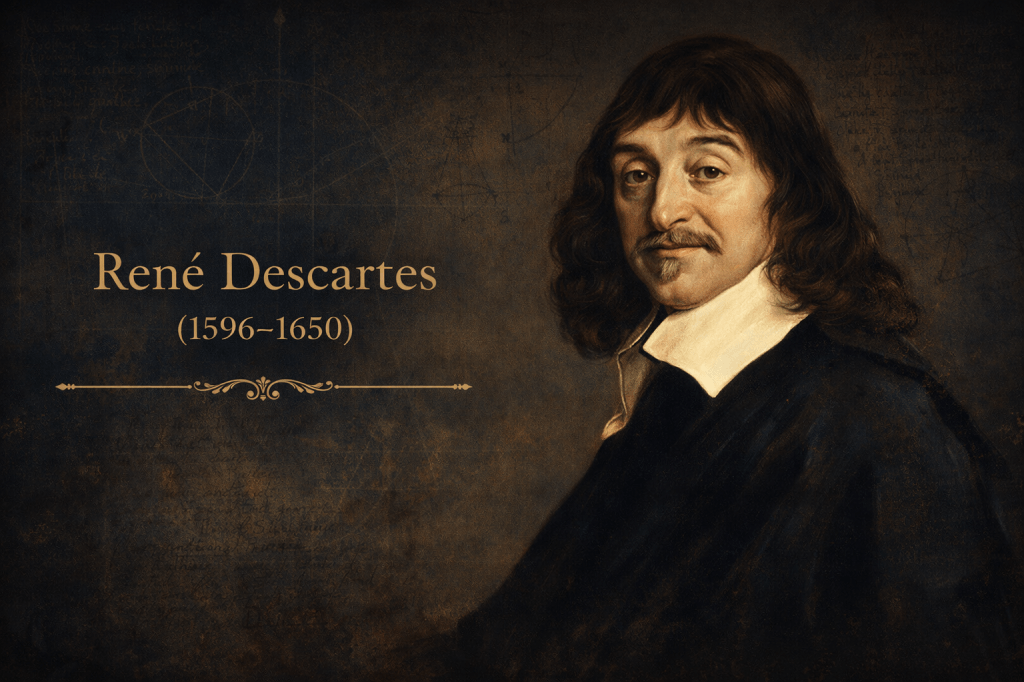
René Descartes reshaped modern thought by introducing a language of reason, doubt, and consciousness that entered English through translation. His methodical approach to argument influenced how ideas were structured and expressed, helping establish English as a precise medium for philosophy, where clarity, logic, and inquiry became central to intellectual discourse.
-
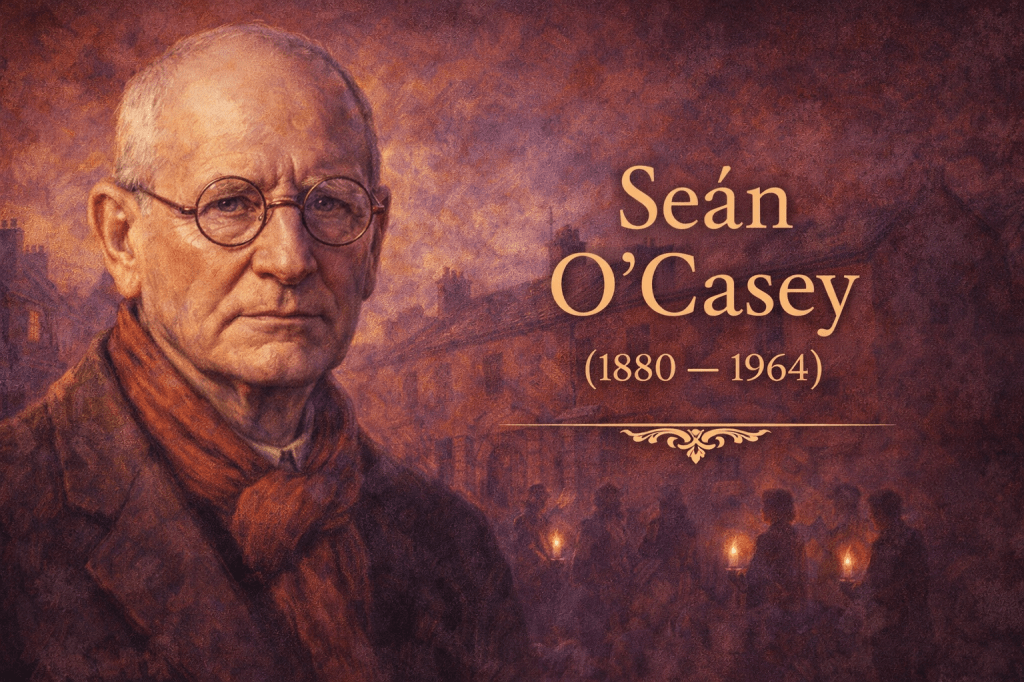
Seán O’Casey transformed modern drama by placing working-class Dublin speech at its center, elevating everyday language to literary status. His plays blended humor and tragedy through authentic dialogue, expanding English theatre’s expressive range. By legitimizing regional voices, he reshaped how language reflects identity, class, and emotional realism on stage.
-
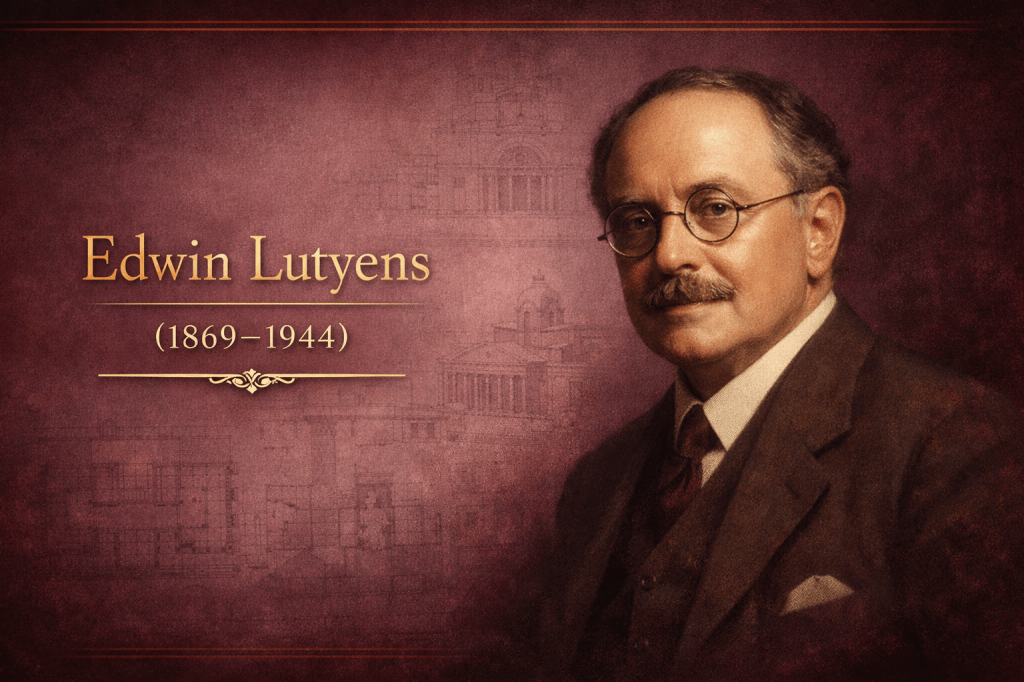
Edwin Lutyens’s writing reflects the formal precision of elite British English during the imperial era. Through letters and essays, he combined technical clarity with refined expression, illustrating how language conveyed authority, hierarchy, and cultural identity. His prose stands as a linguistic record of how English functioned within power, design, and administration.
-
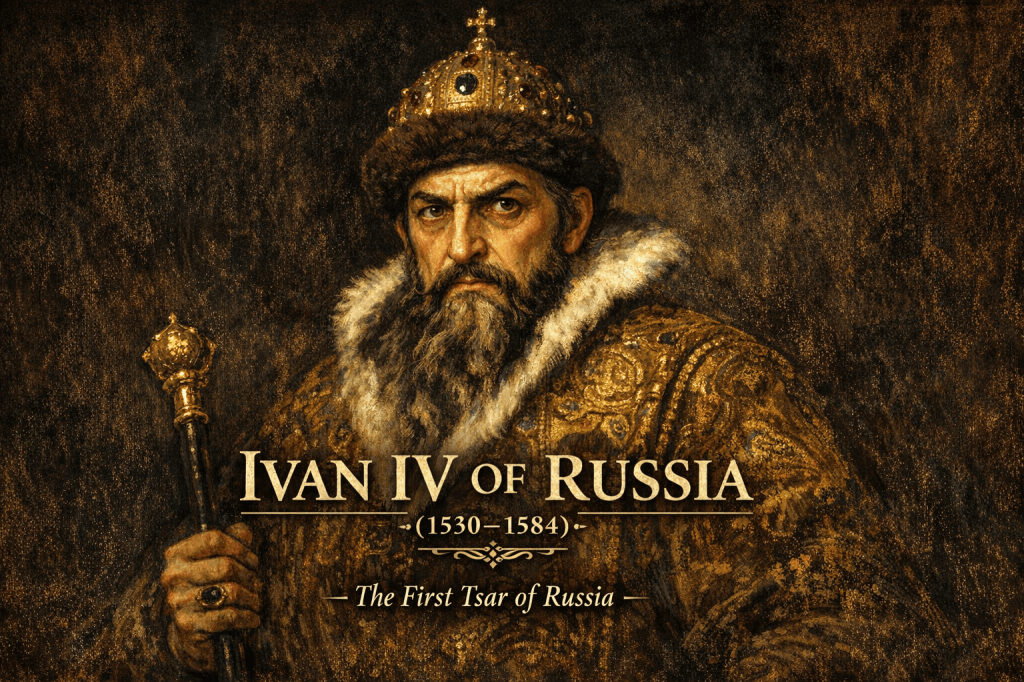
The death of Ivan the Terrible in 1584 marked more than the end of a reign—it shaped English political language. Through historical writing and literature, his name became synonymous with tyranny and absolute power, transforming a distant ruler into a lasting symbol used to describe fear, authority, and the extremes of leadership.
-
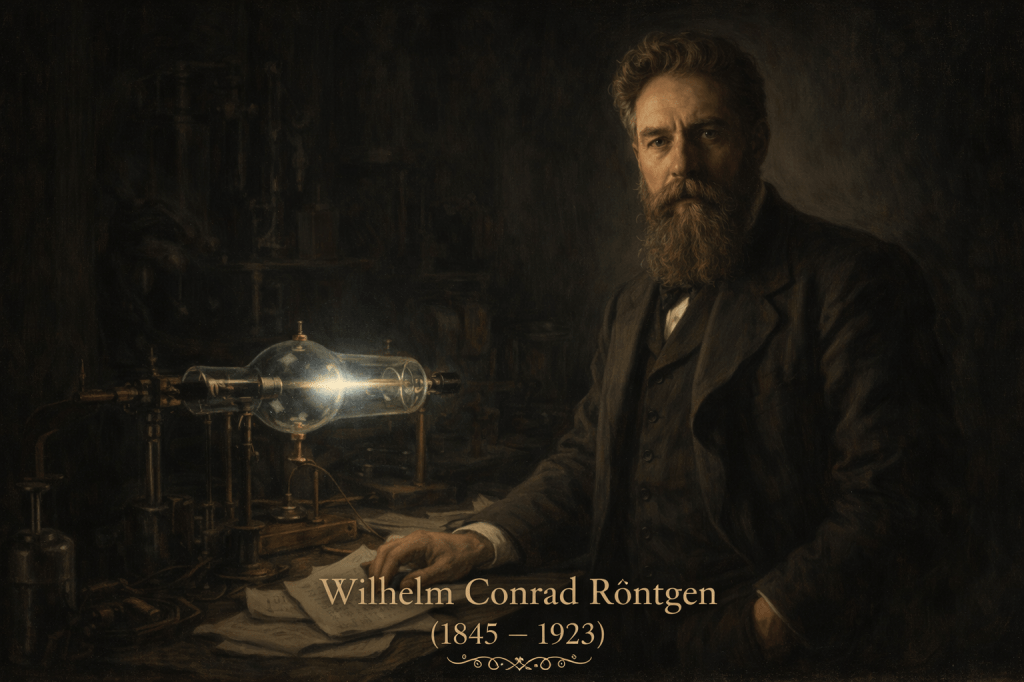
Wilhelm Conrad Röntgen’s discovery of X-rays transformed science and language alike. The term “X-ray,” born from the unknown, rapidly entered global English, bridging technical and everyday use. It expanded medical vocabulary and showed how scientific breakthroughs create lasting words, making invisible phenomena understandable and widely discussed across cultures and disciplines.
-
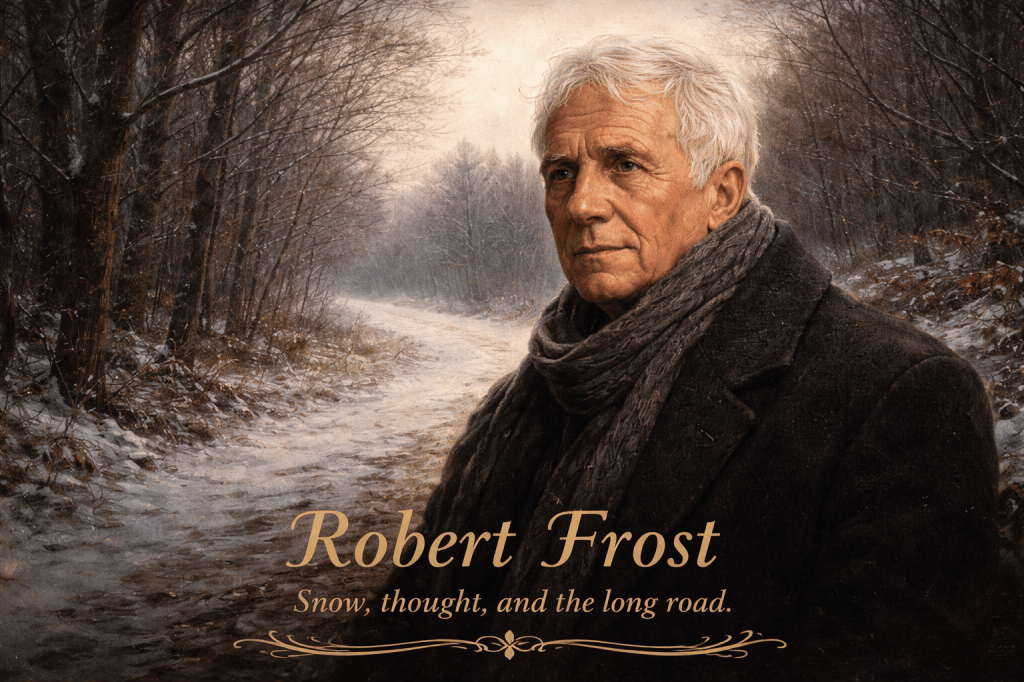
Robert Frost transformed everyday American speech into powerful poetry, proving that simple language could express profound ideas. Drawing on rural life and natural rhythms, he shaped a distinctly American voice in literature. His work bridged clarity and depth, showing that ordinary words, carefully arranged, can carry universal meaning and emotional resonance across generations.
-
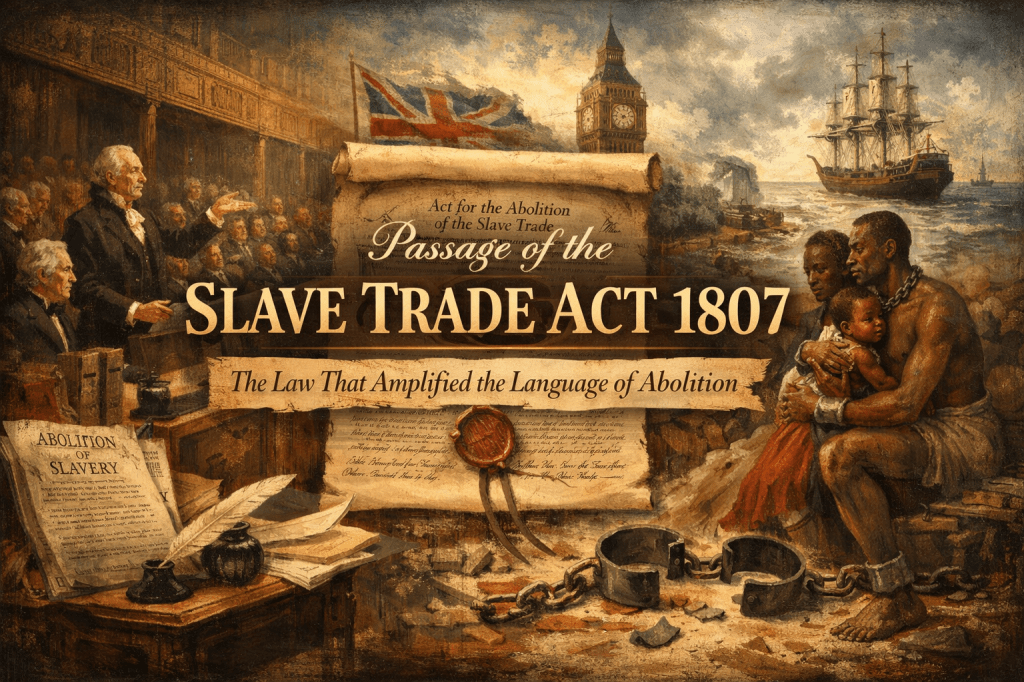
The 1807 Slave Trade Act marked a turning point where moral argument reshaped political English. Abolitionist speeches, petitions, and writings forged a powerful vocabulary of freedom, justice, and human dignity. Through persuasive language and public debate, English became a tool for reform, influencing how societies discuss rights, ethics, and collective responsibility.
-
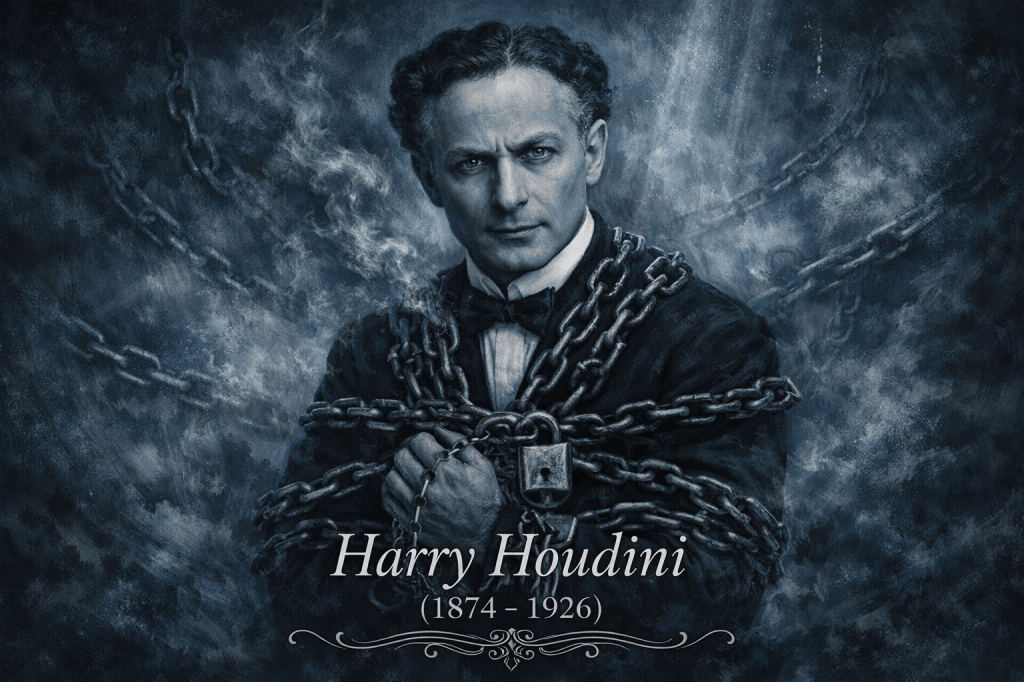
Harry Houdini’s legendary escapes transformed his name into a lasting English expression. Phrases like “to pull a Houdini” capture ingenuity and clever evasion, showing how cultural figures shape language. His legacy illustrates how proper names evolve into everyday metaphors, embedding performance, reputation, and storytelling into the vocabulary of modern English usage.
-
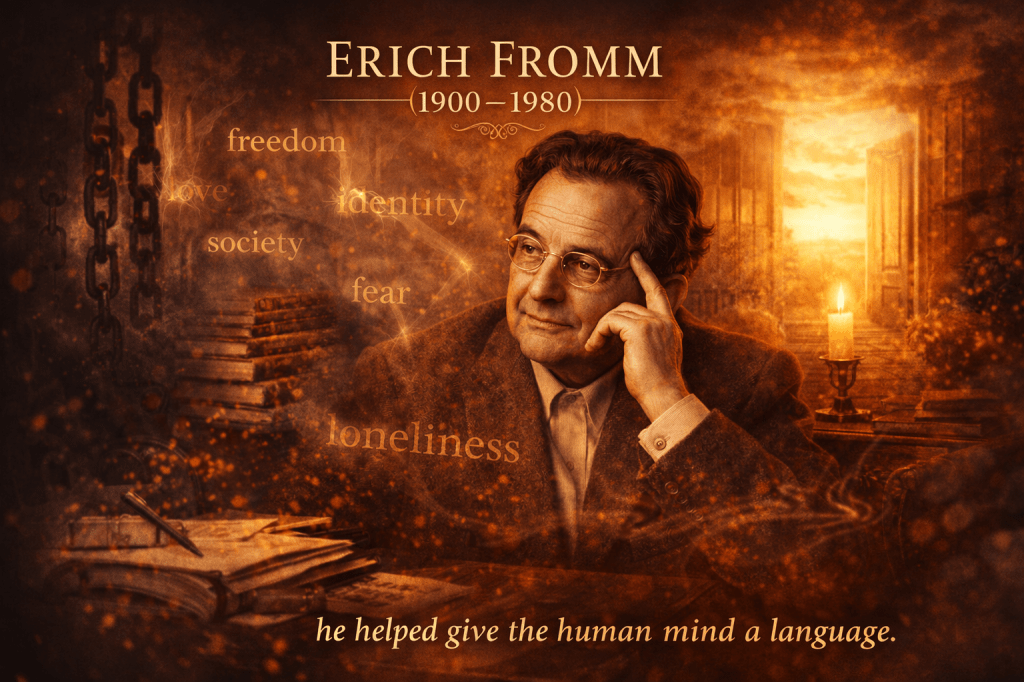
Erich Fromm transformed psychological and philosophical writing by giving it a more human voice. Writing in clear, accessible English, he explored love, freedom, and identity as lived experiences. His work bridged disciplines and brought complex ideas into everyday language, shaping how modern society understands the self, relationships, and emotional life.
-
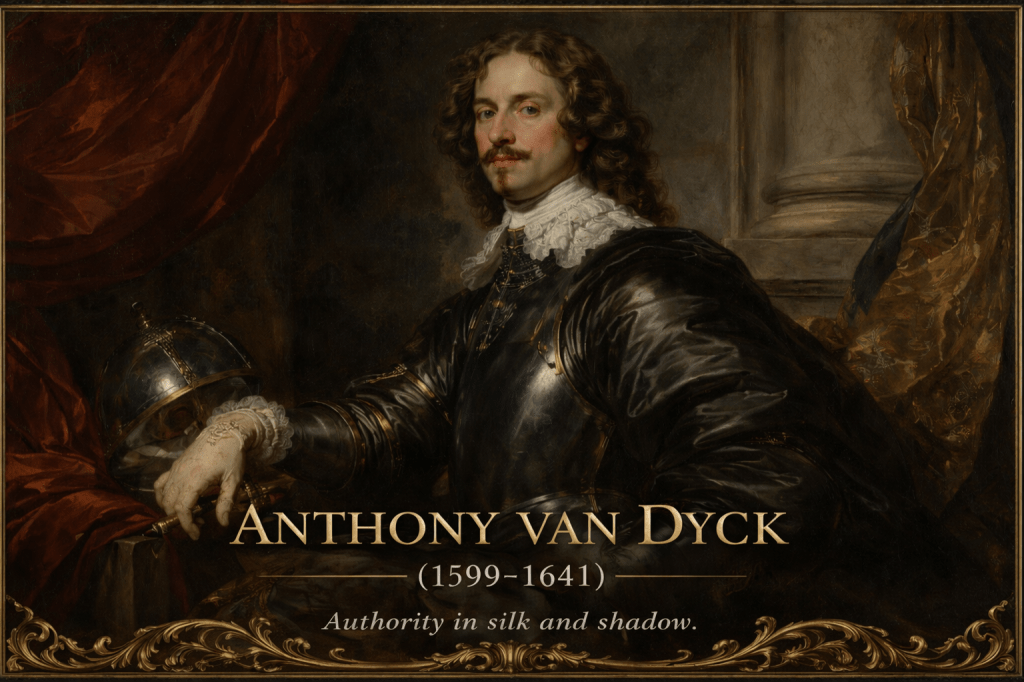
Anthony van Dyck’s career in England reflects a pivotal cultural transition, where a multilingual court shaped by European influence gradually embraced English identity. Through portraiture, he crafted a visual language of power that paralleled linguistic change, capturing a society redefining itself as English became central to authority, culture, and expression in public life.
 What Happened on This Day?