
What Happened on This Day?
-
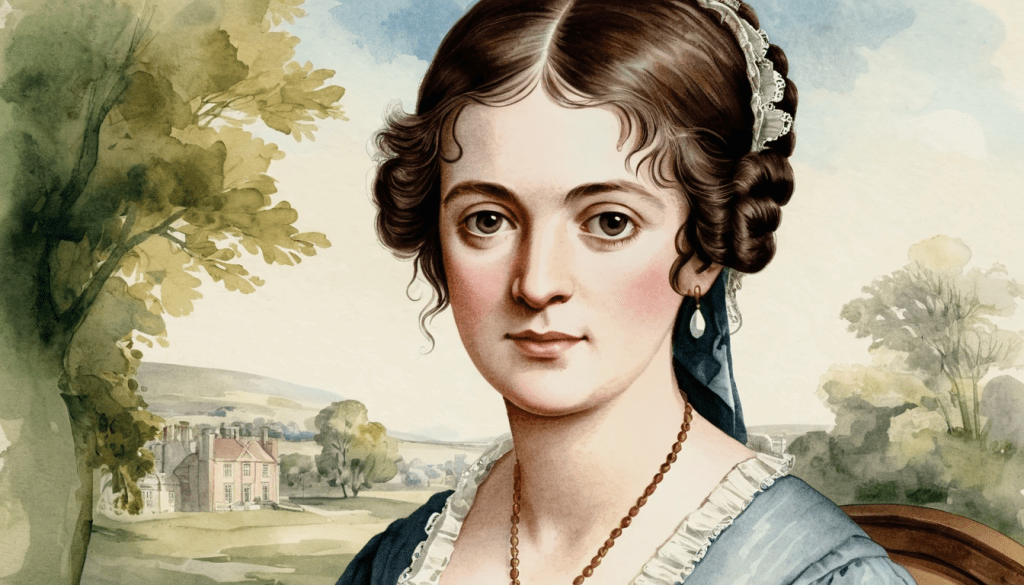
Born December 16, 1775, Jane Austen reshaped English fiction by refining irony, psychological realism, and narrative voice. Her novels taught English how to think on the page—balancing wit with moral insight, intimacy with distance—creating a prose style that observes, judges, and understands human nature with unmatched intelligence.
-
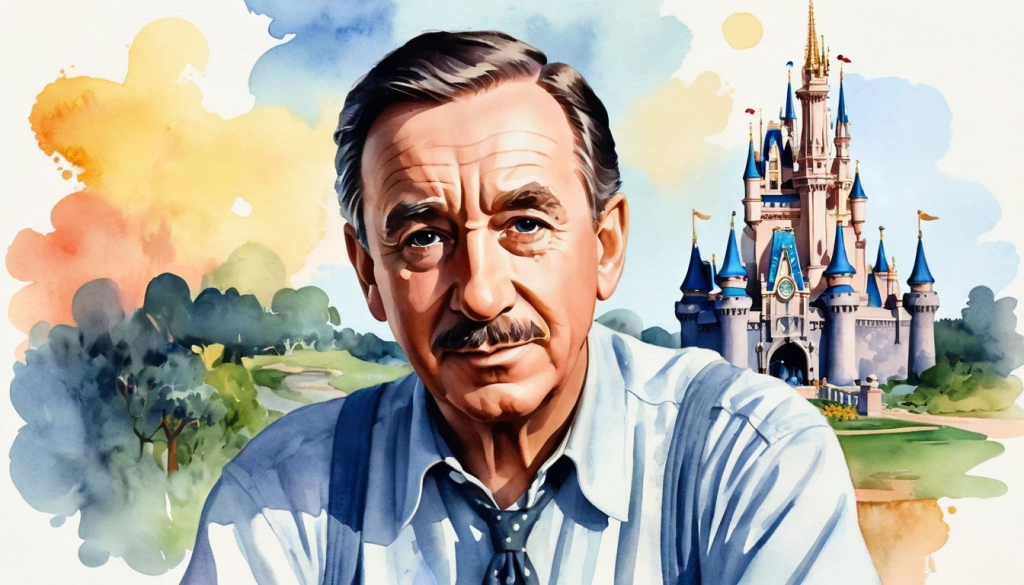
Walt Disney reshaped English storytelling without writing novels. By adapting folklore and classics into emotionally clear, repeatable narratives, he standardized how English-speaking audiences learn stories. His films became cultural reference points, teaching structure, morality, and myth through shared images, music, and memory across generations.
-
Roald Amundsen Reaches the South Pole (1911) – When Exploration Rewrote English Narrative Nonfiction
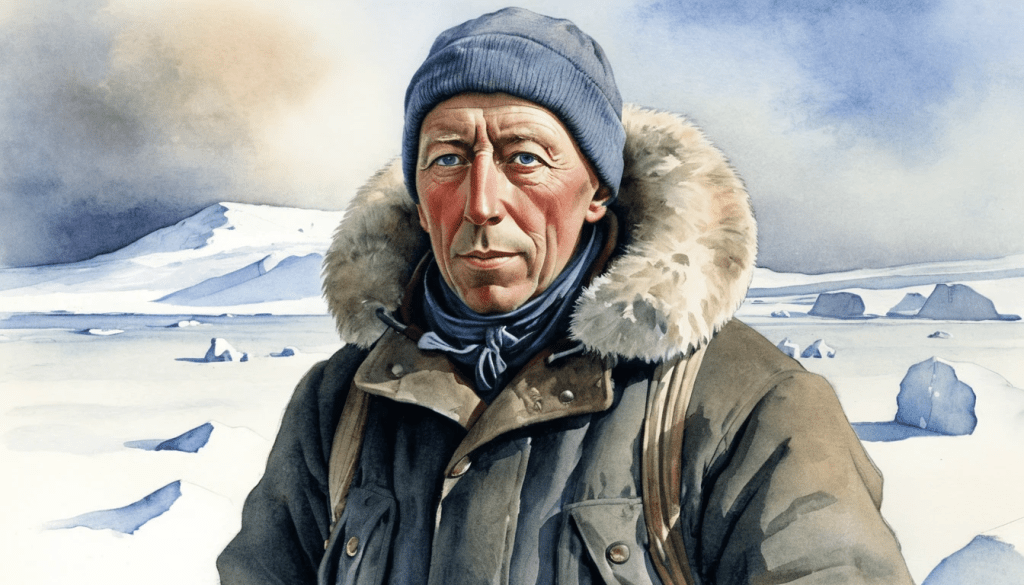
On December 14, 1911, Roald Amundsen reached the South Pole, sparking a transformation in English nonfiction. Diaries and memoirs turned extreme exploration into a new narrative form—precise, restrained, and reflective—where endurance, survival, and judgment reshaped how English told stories at the edge of human experience.
-
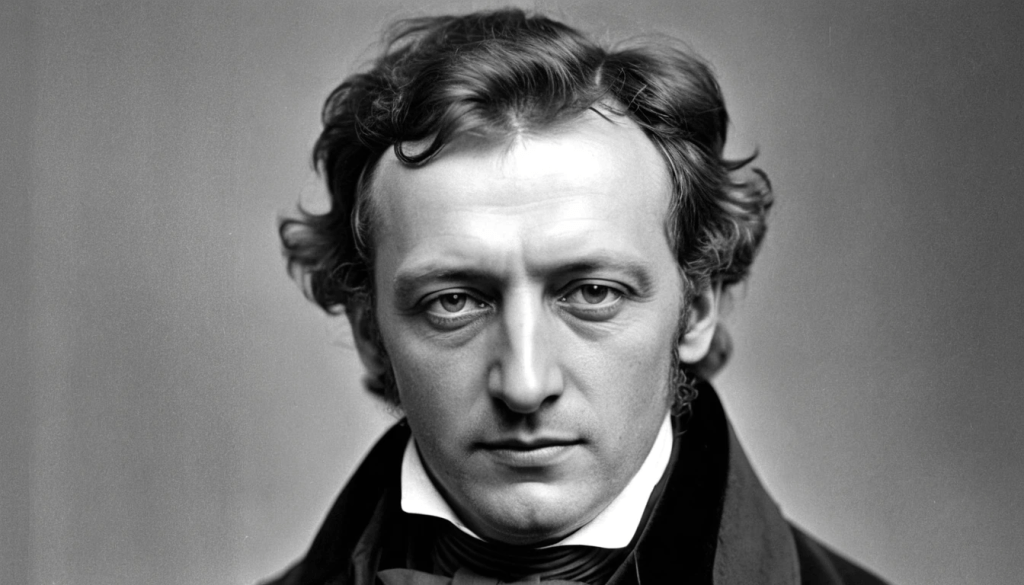
Born in 1797, Heinrich Heine reshaped English poetry without writing a line in English. Through translation and song, his lyrical brevity, irony, and musical clarity taught English verse to balance feeling with skepticism—showing that poetry could sing sweetly while smiling knowingly at itself.
-
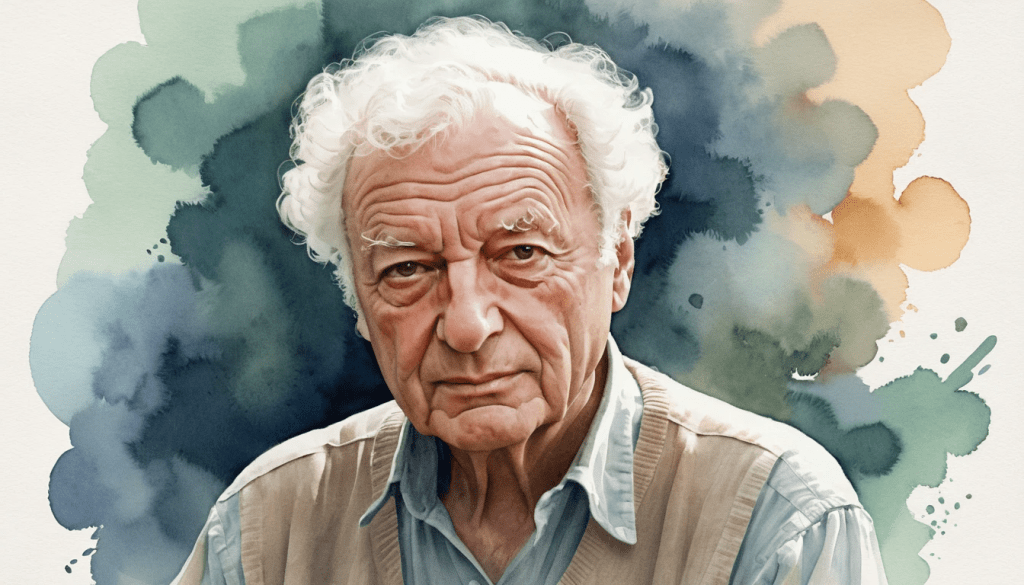
Joseph Heller transformed English-language satire by exposing the absurdity of bureaucratic logic and institutional speech. With Catch-22, he introduced a lasting idiom, reshaped the war novel, and showed how English can both reveal and distort reality. His work endures as a critique of power, language, and contradiction.
-
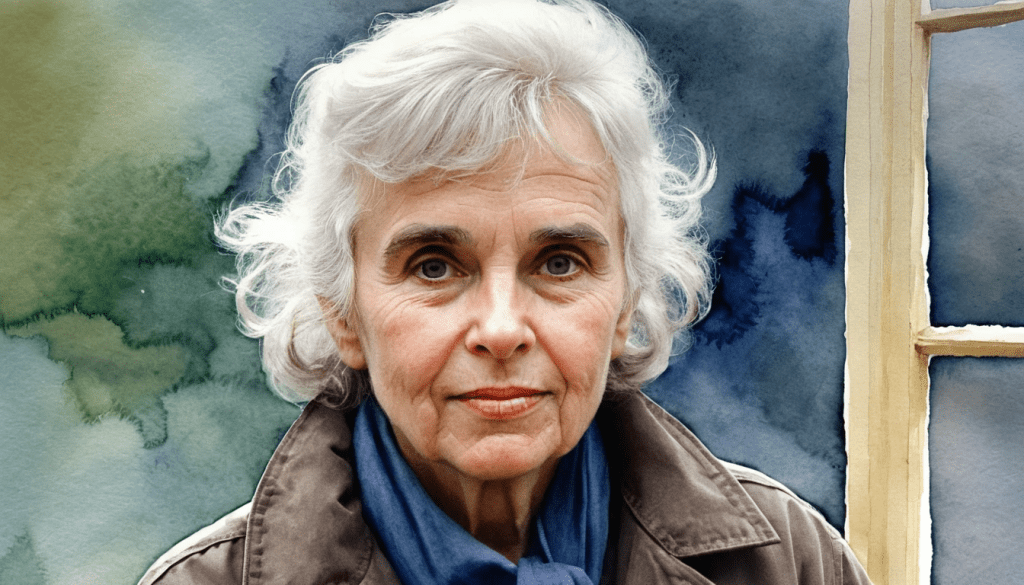
Grace Paley transformed English literature by elevating the rhythms of everyday speech into art. Her vibrant, voice-driven stories revealed how ordinary conversations could carry humor, struggle, tenderness, and political insight. She proved that the spoken English of real communities was not only literary, but revolutionary.
-
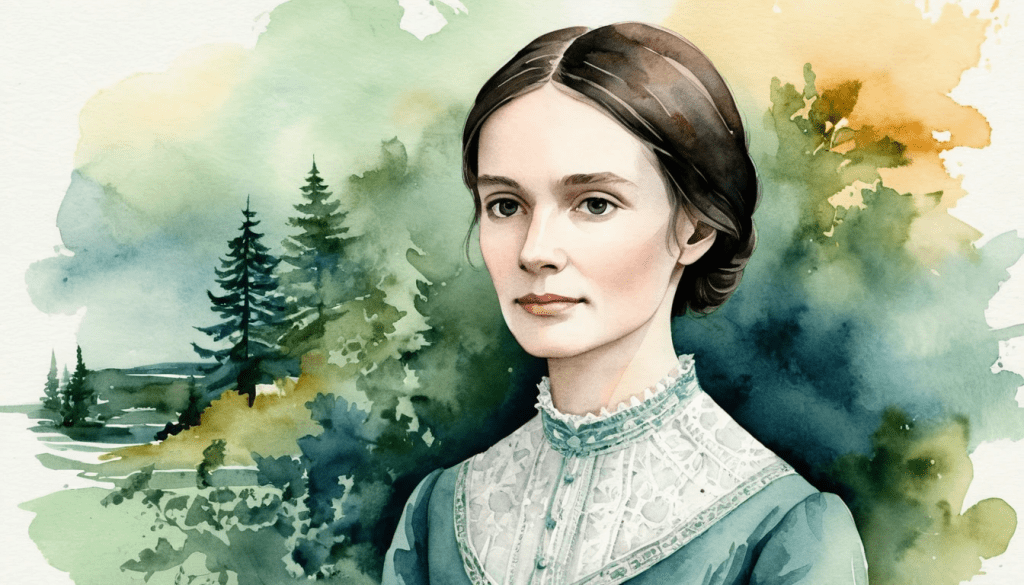
Emily Dickinson, born December 10, 1830, transformed English poetry through her dashes, compressed imagery, and metaphysical vision. Her private writings reshaped the lyric, proving that English could whisper, fracture, and blaze with revelation. From one quiet room, she revolutionized how the language breathes, pauses, and imagines.
-
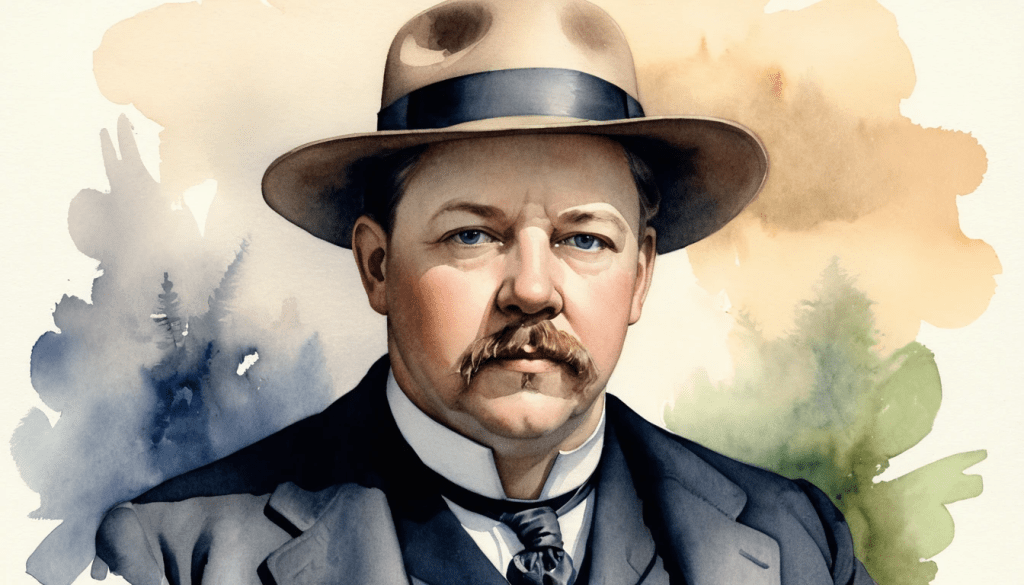
On December 9, 1845, Joel Chandler Harris was born—an author whose Uncle Remus tales carried African American oral tradition into English print. Though shaped by the racial attitudes of his era, his adaptations introduced Br’er Rabbit and trickster lore to generations of English readers, influencing storytelling, dialect studies, and folklore scholarship.
-
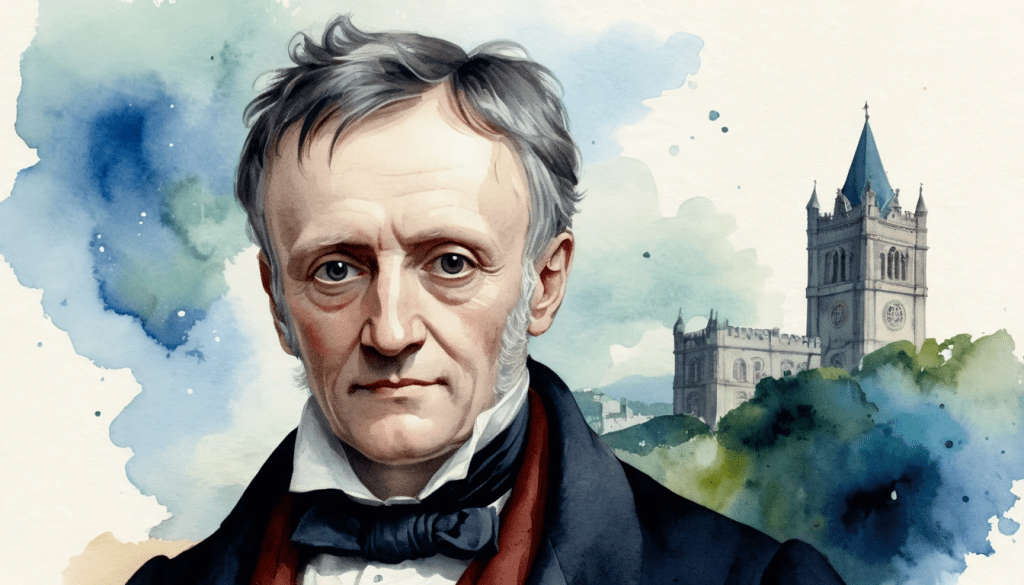
Thomas De Quincey transformed English prose into a landscape of inner experience. Blending dream imagery, psychological depth, and musical cadence, he redefined the personal essay and inspired generations of stylists. His visionary voice proved that English prose could reveal the mind’s anxieties, rhythms, and imaginative intensities.
-
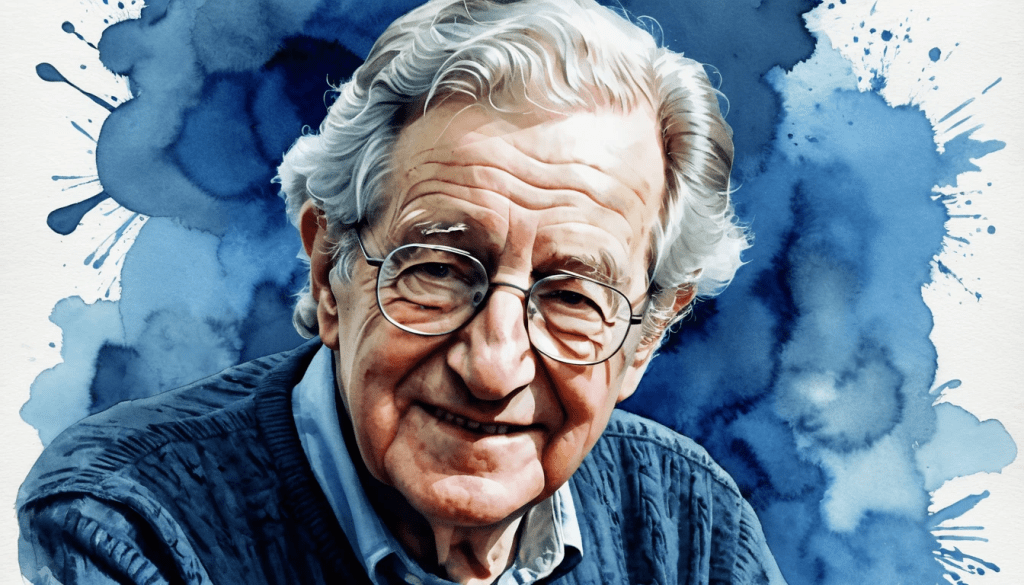
Born on December 7, 1928, Noam Chomsky transformed linguistics by arguing that language is an innate, universal human capacity. His generative grammar reshaped the study of English, turning linguistic research into a cognitive science and giving scholars a new conceptual vocabulary for understanding grammar, mind, and human thought.
 What Happened on This Day?