
What Happened on This Day?
-
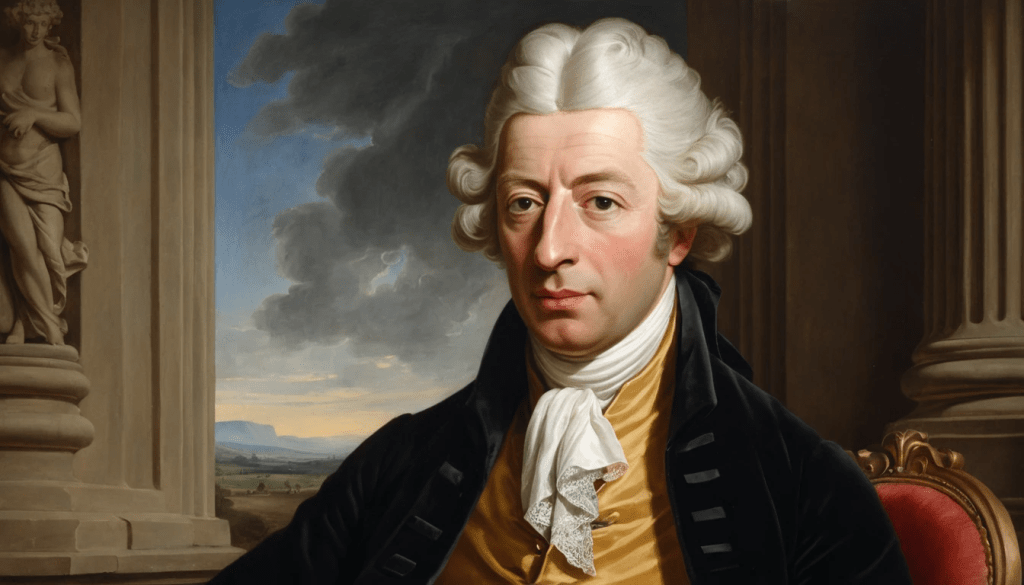
Born on November 26, 1731, William Cowper reshaped English poetry by replacing Augustan formality with plain, humane language. His gentle humor, emotional candor, and conversational style bridged the gap to Romanticism, proving that poetry could speak quietly, personally, and in the natural rhythms of everyday life.
-
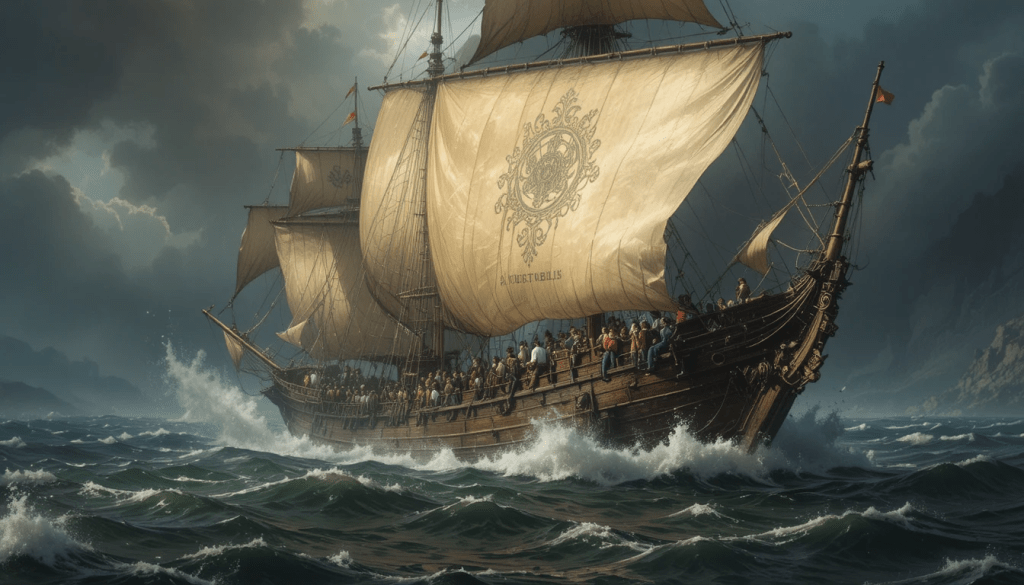
The sinking of the White Ship on November 25, 1120 killed England’s heir, triggered a succession crisis, and plunged the kingdom into The Anarchy. This political chaos reshaped power, law, and cultural authority, creating conditions that ultimately shifted linguistic prestige and helped pave the way for the rise of Middle English.
-
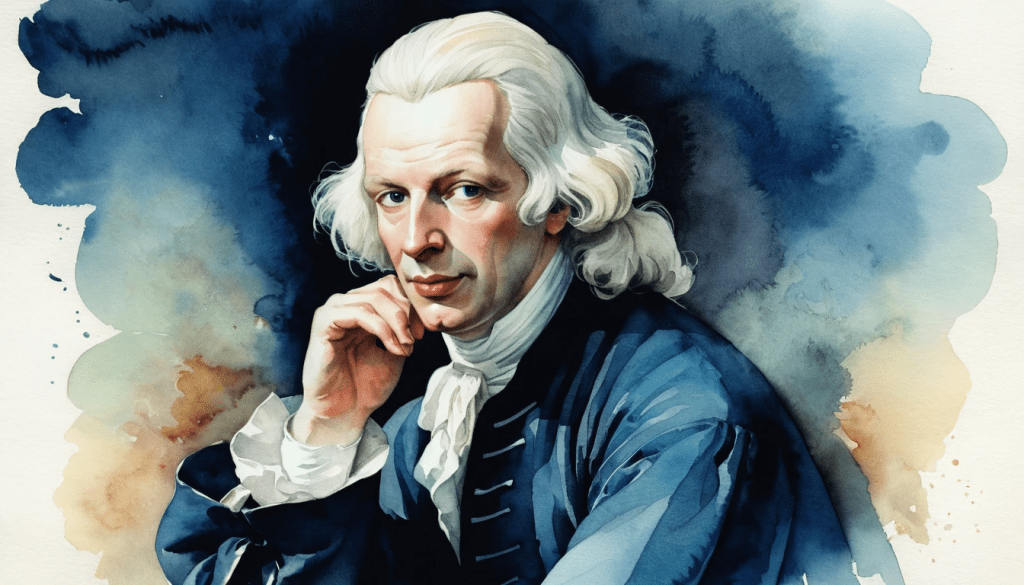
Born on November 24, 1713, Laurence Sterne revolutionized English fiction through playful experimentation. With Tristram Shandy and A Sentimental Journey, he transformed digression, irony, and typographical humor into narrative art, redefining how stories could move, think, and joke. His innovations shaped modernism, metafiction, and the comic novel.
-
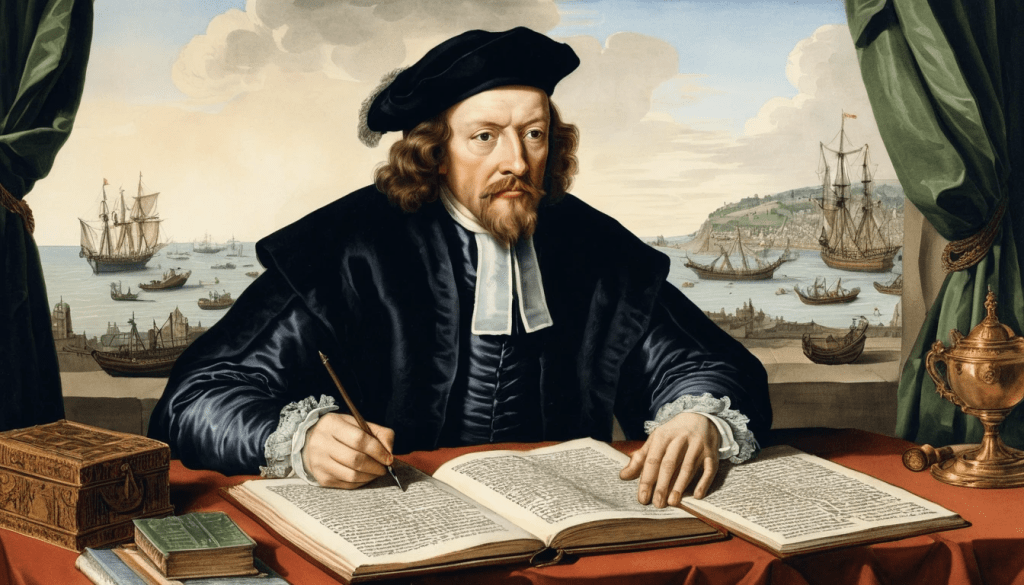
Richard Hakluyt, who died on November 23, 1616, shaped early English exploration literature and the rise of English as a global language. Through vast compilations of voyages and persuasive arguments for colonization, he preserved sailors’ voices, guided imperial policy, and expanded the imaginative and linguistic horizons of English readers.
-
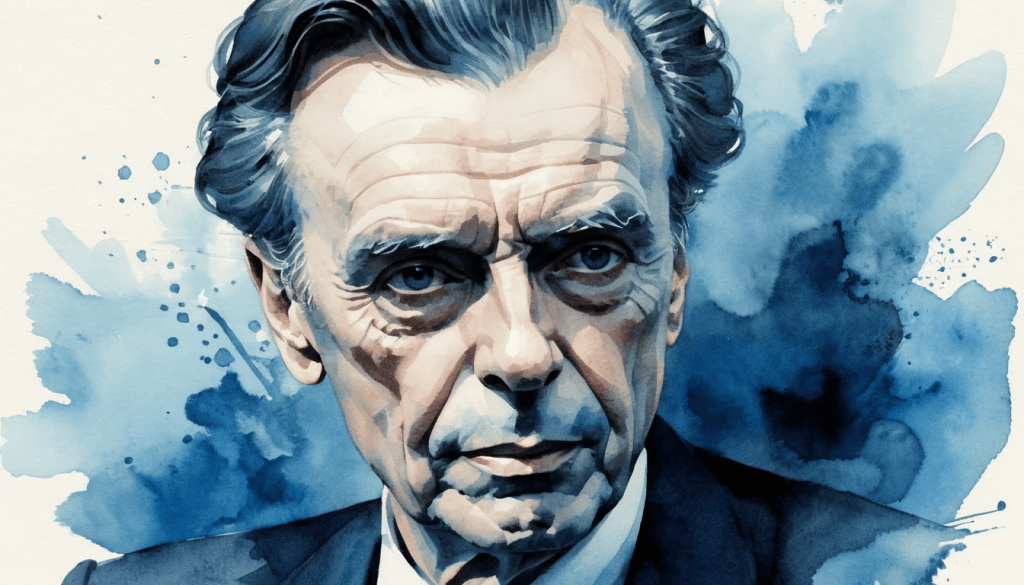
Aldous Huxley’s death on November 22, 1963 marked the loss of a visionary who reshaped how English literature confronts power, technology, and consciousness. Through dystopian fiction, philosophical essays, and scientific insight, he forged a linguistic legacy that continues to influence debates on freedom, control, and the future.
-
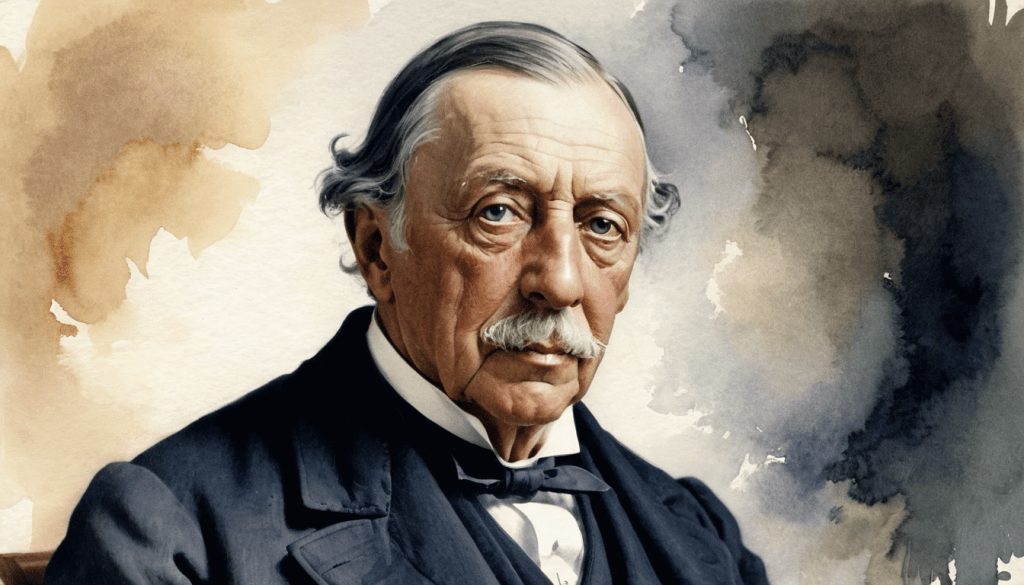
Sir Arthur Quiller-Couch, born on November 21, 1863, profoundly shaped how English poetry is read and taught. Through The Oxford Book of English Verse and his influential lectures on style, he defined literary taste for decades, preserving poems, guiding readers, and shaping the canon for the modern English-speaking world.
-
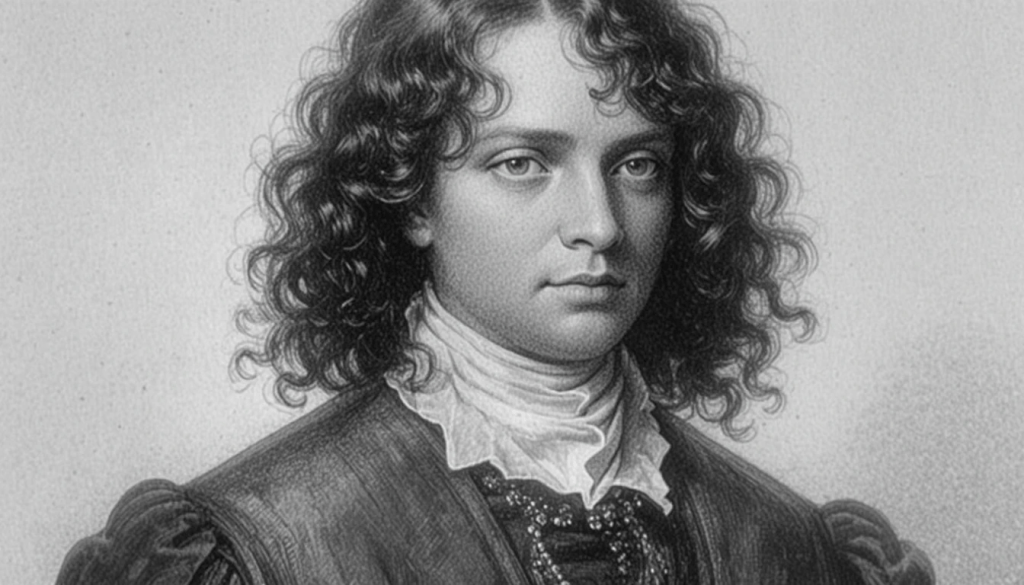
Born on November 20, 1752, Thomas Chatterton transformed English poetry by creating a fictitious medieval voice that reshaped ideas of authenticity, creativity, and poetic identity. His Rowley forgeries displayed astonishing linguistic invention, while his tragic early death made him a lasting symbol of Romantic genius and visionary youth.
-
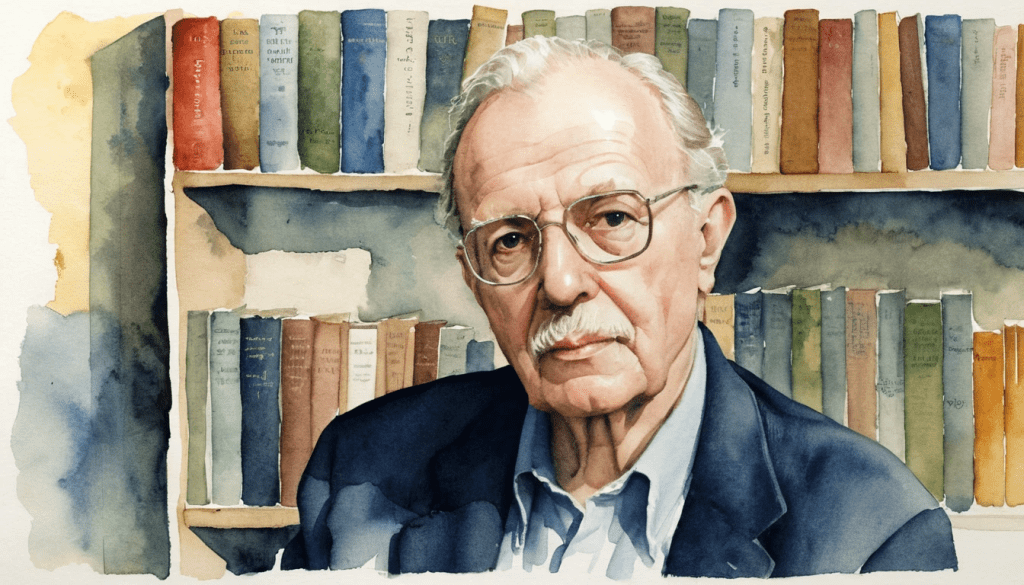
Kenneth Burke transformed English-language criticism by redefining language as symbolic action. Through dramatism and the pentad, he showed that humans use words to shape motives, construct meaning, and interpret culture. His frameworks revolutionized rhetoric, literary theory, and communication, leaving a vocabulary that still structures modern intellectual discourse.
-

Mervyn Peake, who died on November 17, 1968, crafted a literary world defined by shadow, grandeur, and imagination. His Gormenghast trilogy stands as a monumental fusion of Gothic atmosphere and poetic precision, proving that English prose can be both dreamlike and rigorously constructed.
-
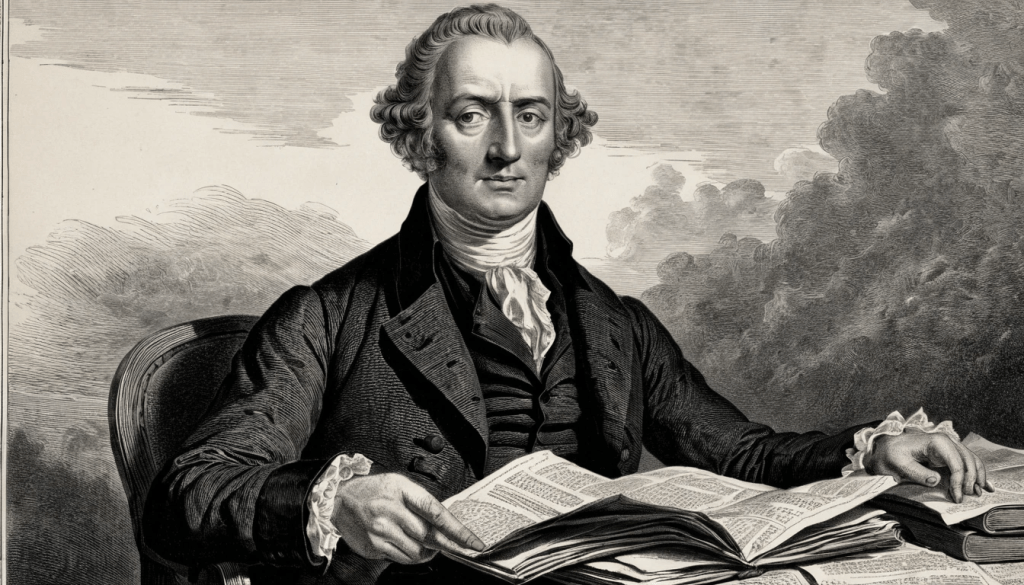
John Walter I, founder of The Times, reshaped public English by establishing a newspaper defined by clarity, civic responsibility, and disciplined reporting. His influence standardized journalistic tone, vocabulary, and structure, giving modern English its authoritative news voice and shaping how information is communicated across the English-speaking world.
 What Happened on This Day?