
What Happened on This Day?
-
Birth of Ira Gershwin (1896–1983) – The Lyricist Who Gave Modern English Its Songbook Wit and Rhythm
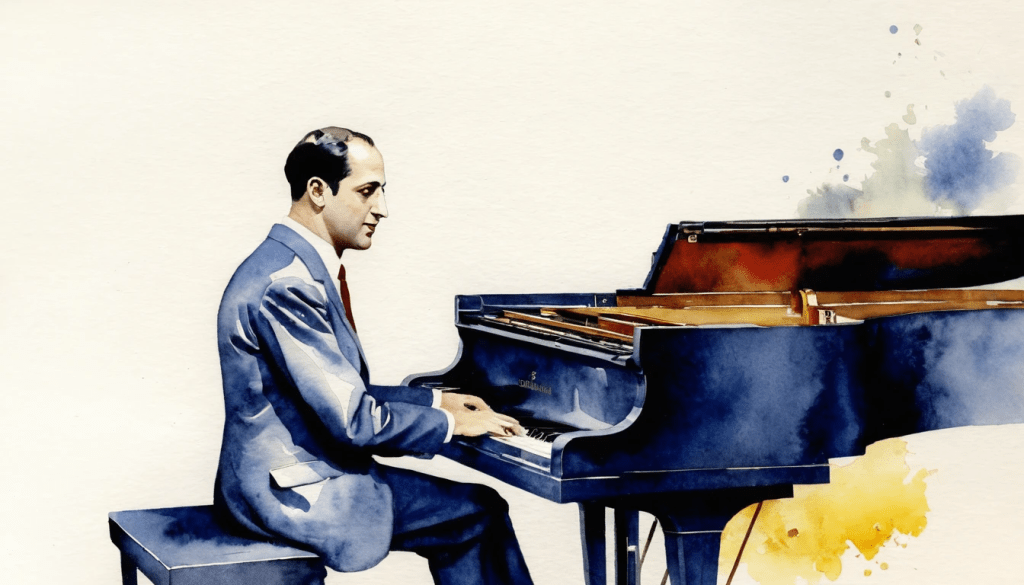
Born on December 6, 1896, Ira Gershwin transformed American English through lyrics that blended wit, rhythm, and conversational charm. His work shaped the Great American Songbook, elevating popular music with literary finesse and giving English a new musical voice that still echoes through Broadway, jazz, and modern songwriting.
-
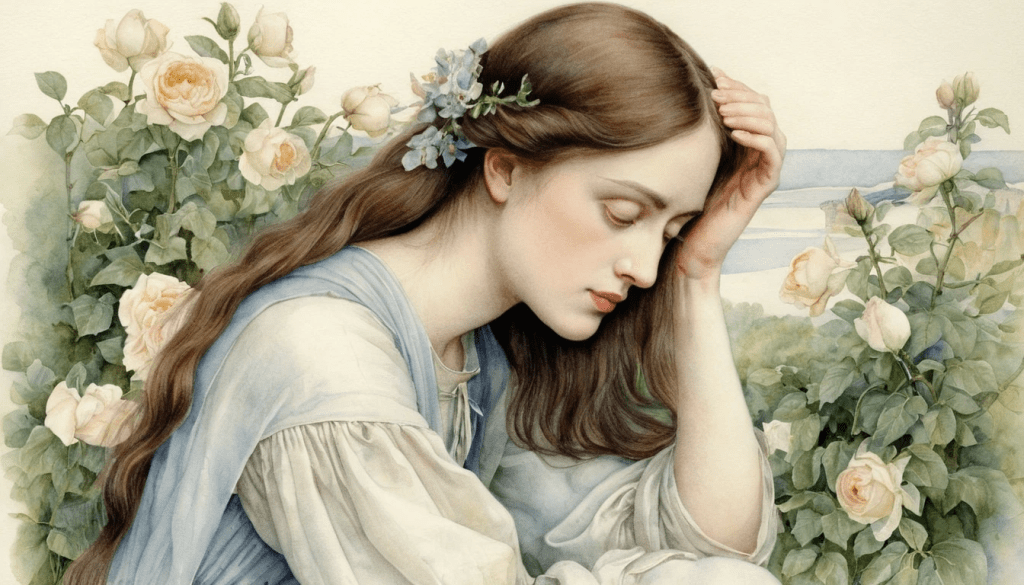
Christina Rossetti’s birth on December 5, 1830 introduced a lyric voice that transformed English poetry. Her devotional clarity, musical restraint, and crystalline diction reshaped Victorian verse and anticipated modernism. Through simplicity, symbolism, and emotional precision, Rossetti taught English how to express profound feeling in the quietest, purest language.
-
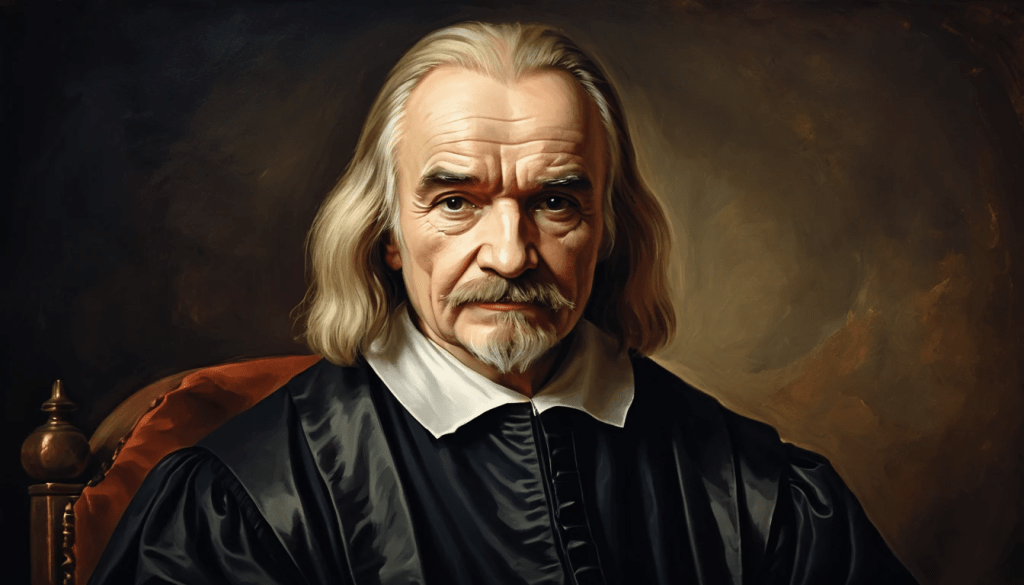
Thomas Hobbes transformed English into a language capable of precise political argument. Through Leviathan, he sharpened terms like “sovereignty” and “social contract,” forged a clear analytical prose style, and established methods of definition and reasoning that continue to shape modern English political vocabulary and argumentative writing.
-
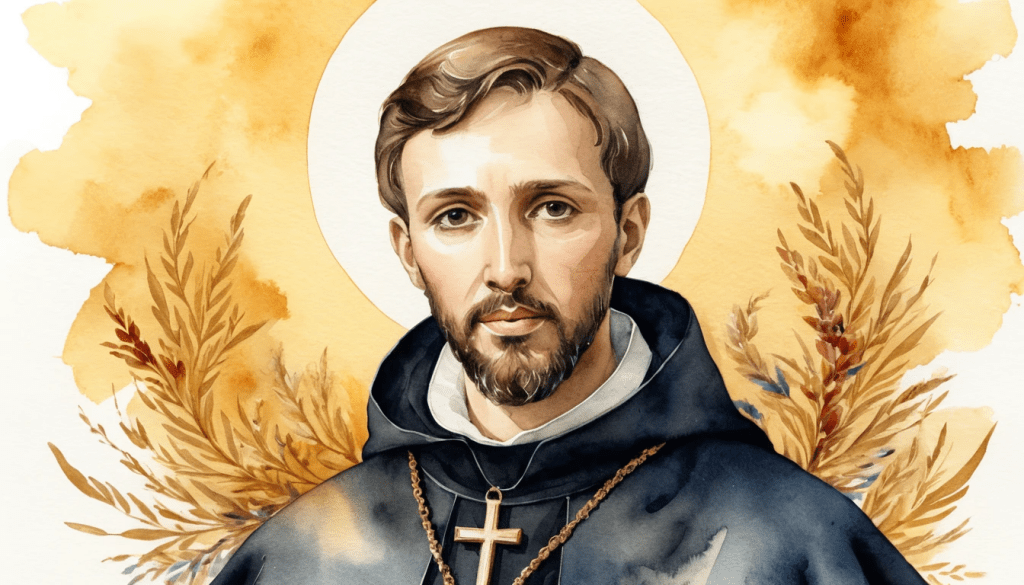
Saint Francis Xavier’s death on December 3, 1552, marked a turning point in global language history. His missionary routes opened cultural corridors later followed by English writers and linguists, shaping early encounters with Asian languages and inspiring the grammar-writing, translation, and cross-cultural scholarship that helped propel English onto the world stage.
-
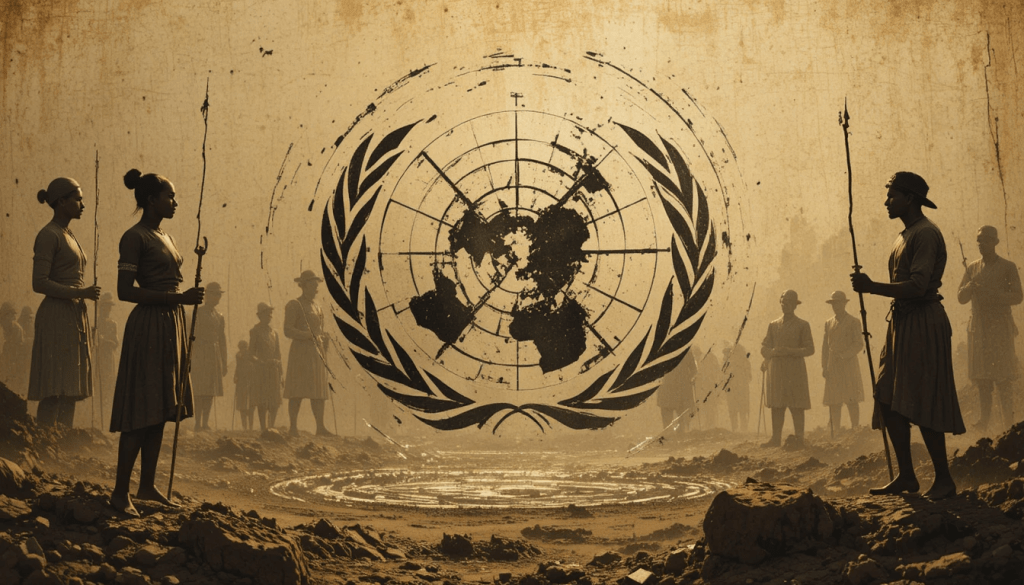
Observed on December 2, the International Day for the Abolition of Slavery strengthens the global English vocabulary of justice, dignity, and human rights. Through reports, journalism, and advocacy, it shapes how English speakers discuss exploitation, accountability, and the ongoing fight against modern slavery in a shared, ethical public language.
-

World AIDS Day, observed on December 1, reshaped English public discourse by introducing a new vocabulary of empathy, activism, and scientific clarity. It transformed journalism, memoir, poetry, and global health rhetoric, blending precision with compassion and giving marginalized voices a powerful place in English-language narrative.
-
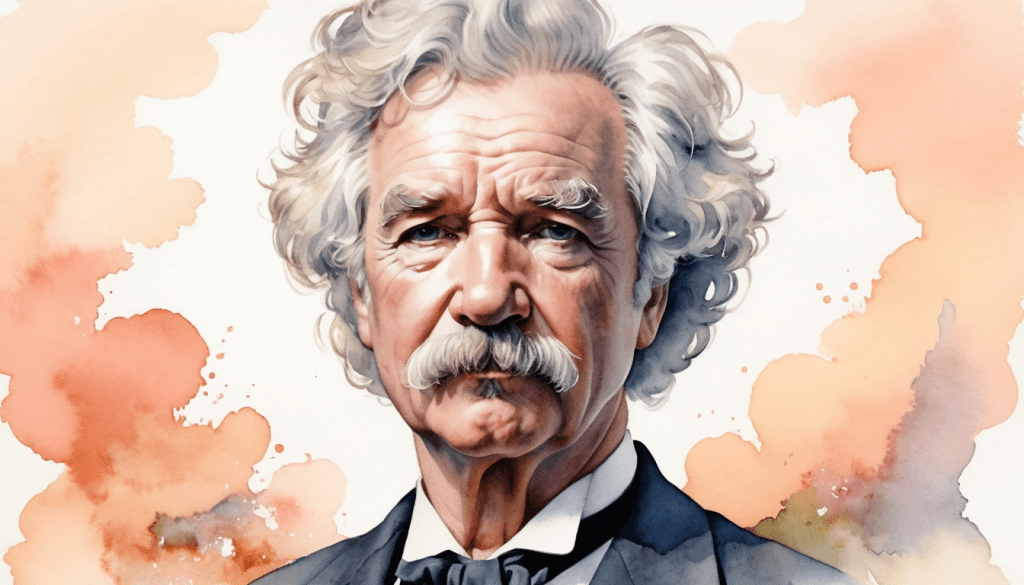
Mark Twain, born November 30, 1835, transformed English by elevating American vernacular, capturing authentic dialects, and shaping modern narrative voice. His humor, satire, and linguistic innovation broadened the expressive power of English, making everyday speech a vehicle for depth, critique, and lasting literary influence.
-
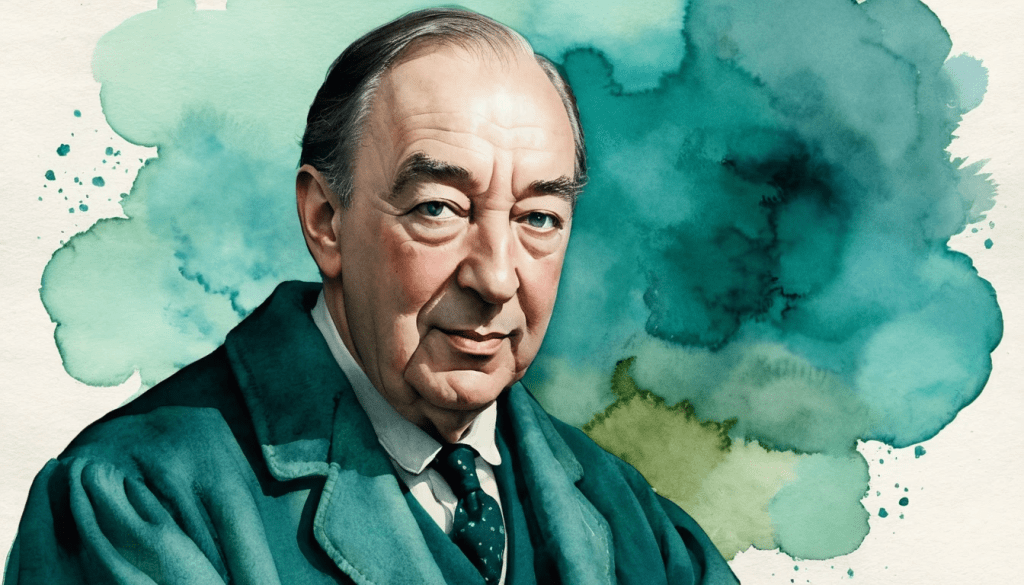
Born on November 29, 1898, C. S. Lewis united scholarship, imagination, and moral clarity in prose that shaped modern English. From Narnia to Mere Christianity, his lucid style, mythic vision, and narrative warmth expanded how English can express wonder, truth, and the inner life for readers across generations.
-
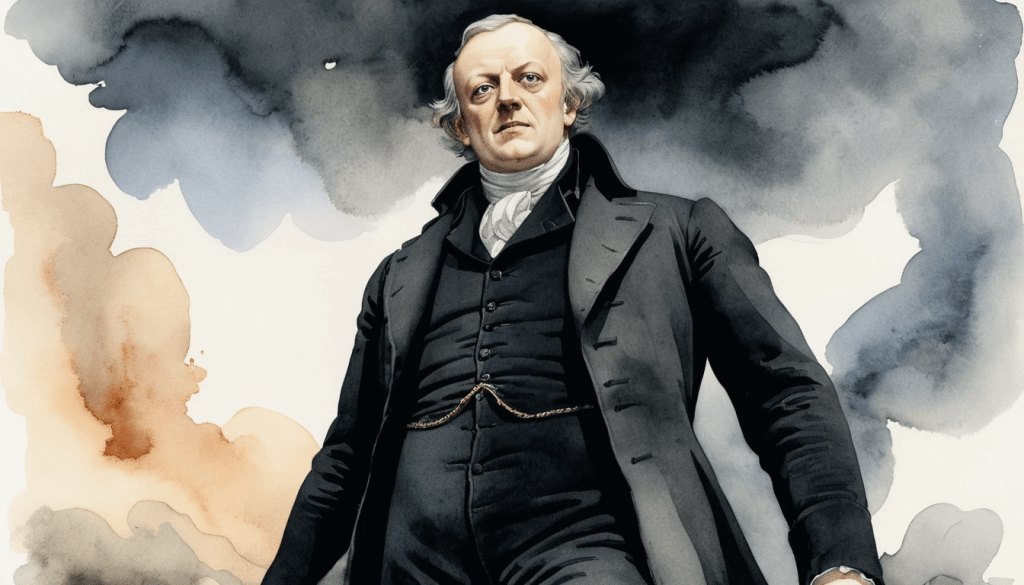
William Blake, born on November 28, 1757, transformed English poetry through visionary imagery, symbolic language, and prophetic intensity. His fusion of lyric clarity and mythic imagination reshaped Romanticism, expanded English’s expressive power, and left a linguistic legacy that continues to influence literature, art, philosophy, and modern cultural discourse.
-
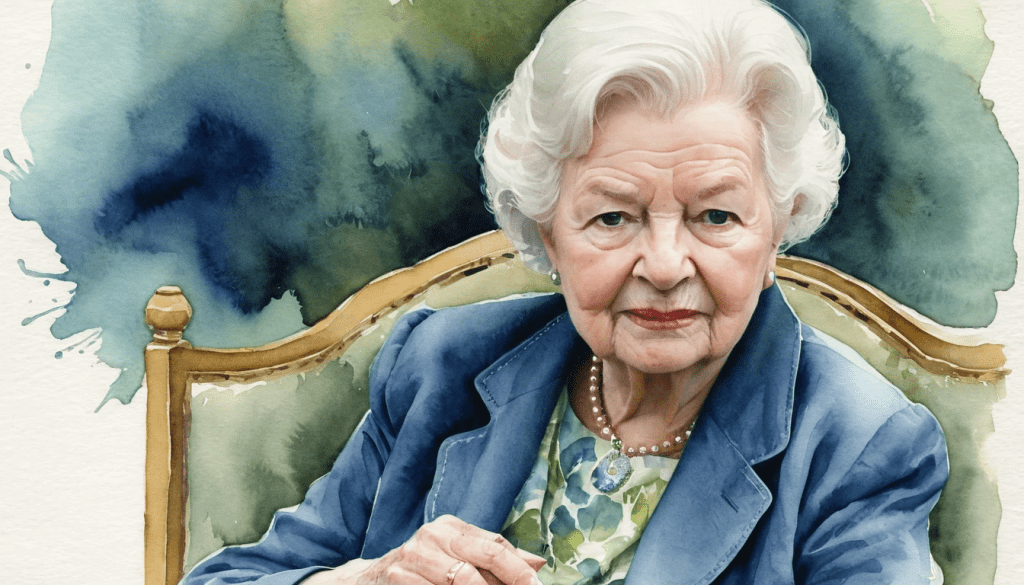
P. D. James transformed crime fiction through elegant prose, moral depth, and psychologically rich storytelling. Her work elevated the genre, blending literary precision with compelling suspense. Even after her passing on November 27, 2014, her stylistic clarity and narrative rigor continue to influence modern English-language fiction.
 What Happened on This Day?