
What Happened on This Day?
-
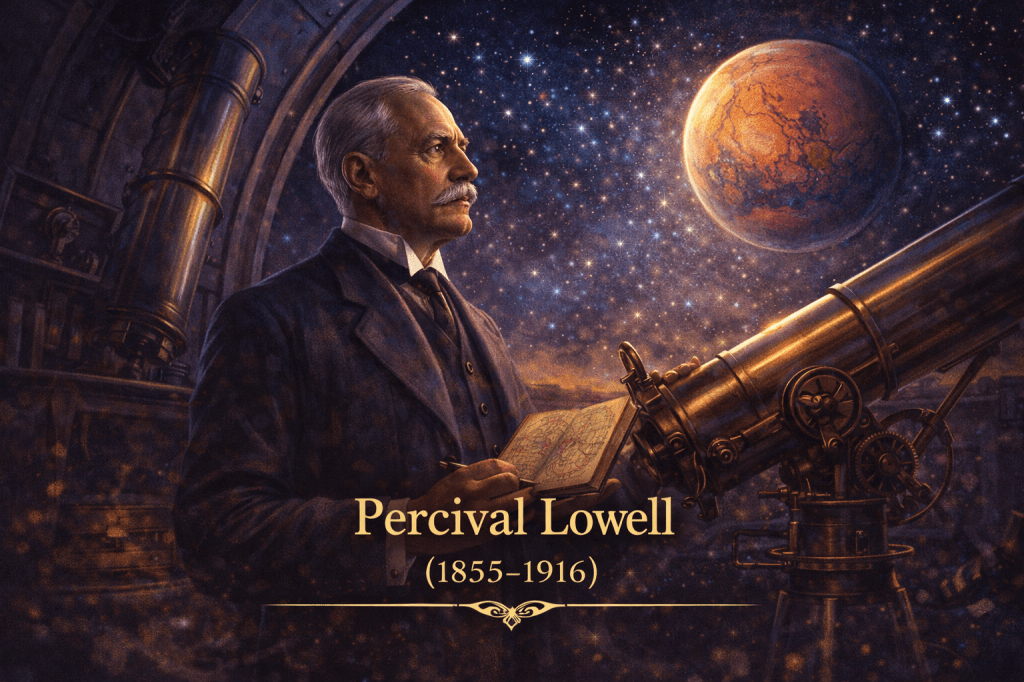
Born March 13, 1855, Percival Lowell helped transform astronomy into vivid public storytelling. Through books about Mars and its supposed canals, he translated complex observations into imaginative English prose, expanding scientific vocabulary and inspiring generations of readers, science communicators, and early science fiction writers to envision life beyond Earth.
-
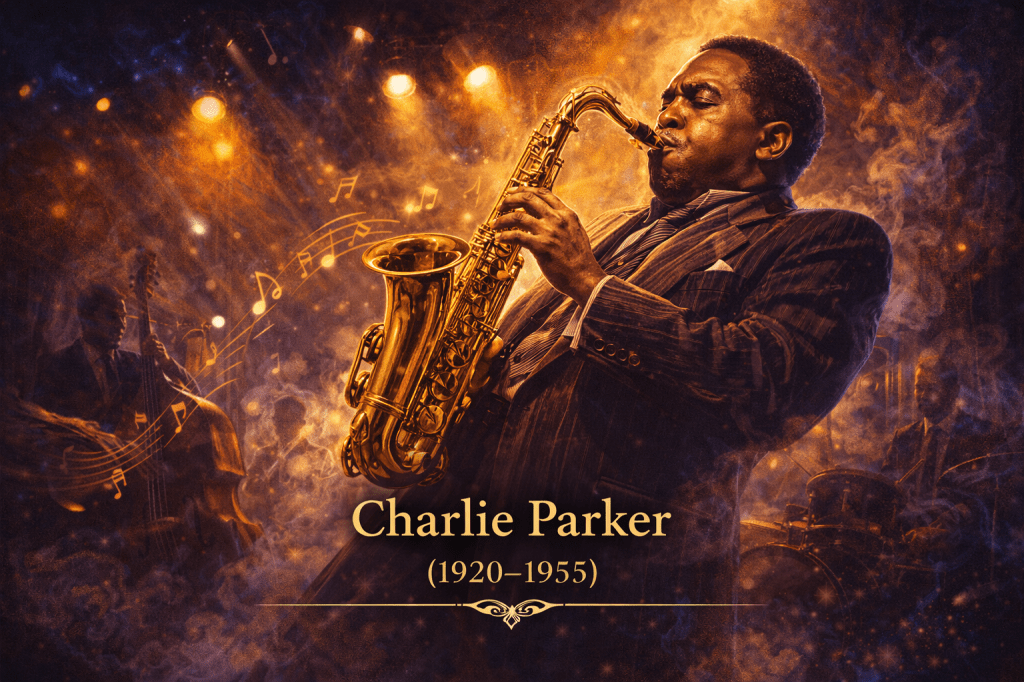
On March 12, 1955, the death of Charlie Parker marked the passing of a jazz revolutionary. As a central figure in the Bebop movement, Parker reshaped improvisation and inspired a new vocabulary in English music criticism—introducing terms and metaphors that still define how musicians and critics describe jazz performance today.
-
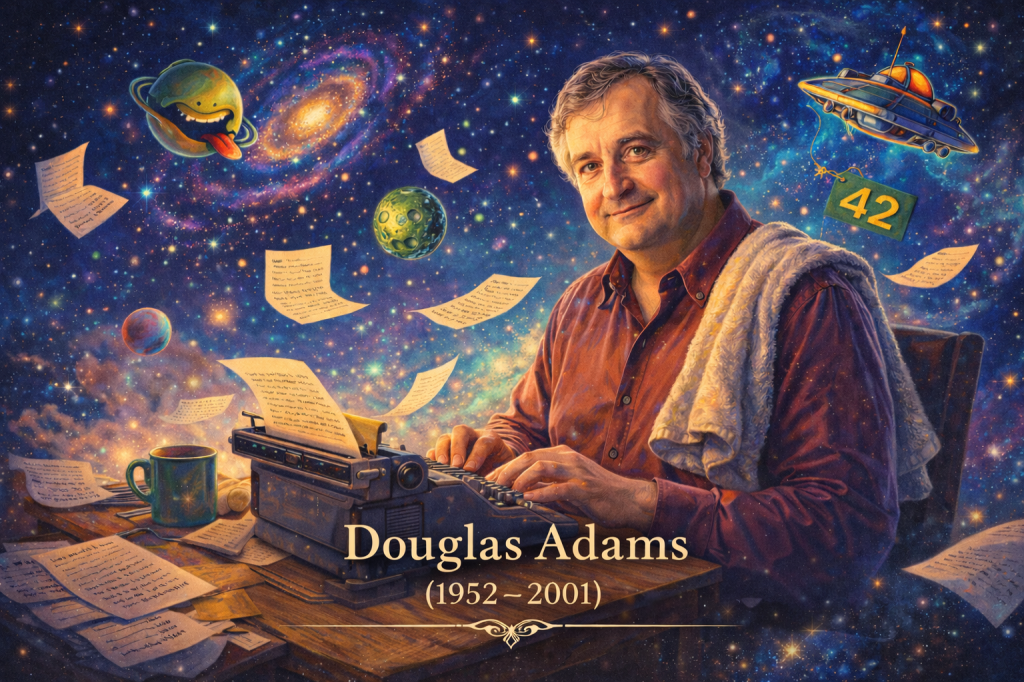
Born on March 11, 1952, Douglas Adams revolutionized comic science fiction with The Hitchhiker’s Guide to the Galaxy. Blending absurd humor, philosophical wit, and playful language, he introduced unforgettable phrases like “Don’t panic” and “42,” proving that the vast universe of science fiction could also be a playground for comedy.
-
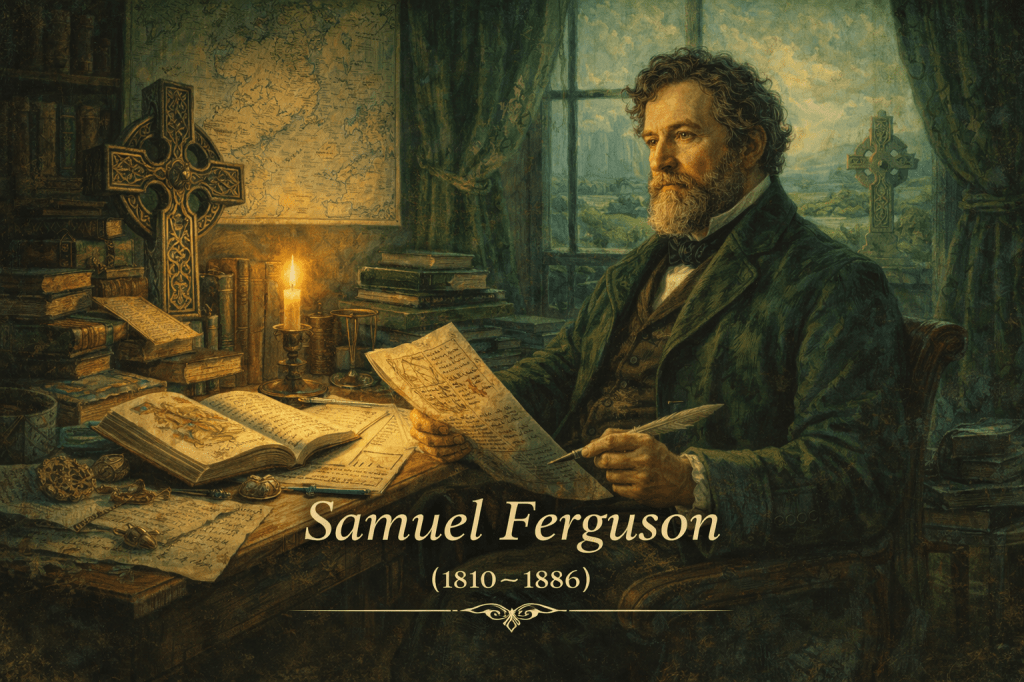
Born on March 10, 1810, Samuel Ferguson revived Irish myth within English literature by transforming ancient Celtic legends into poetic narratives. Drawing on early manuscripts and folklore, his work reintroduced heroic tales, landscapes, and cultural memory to English readers, helping lay the intellectual groundwork for the later Celtic Revival.
-
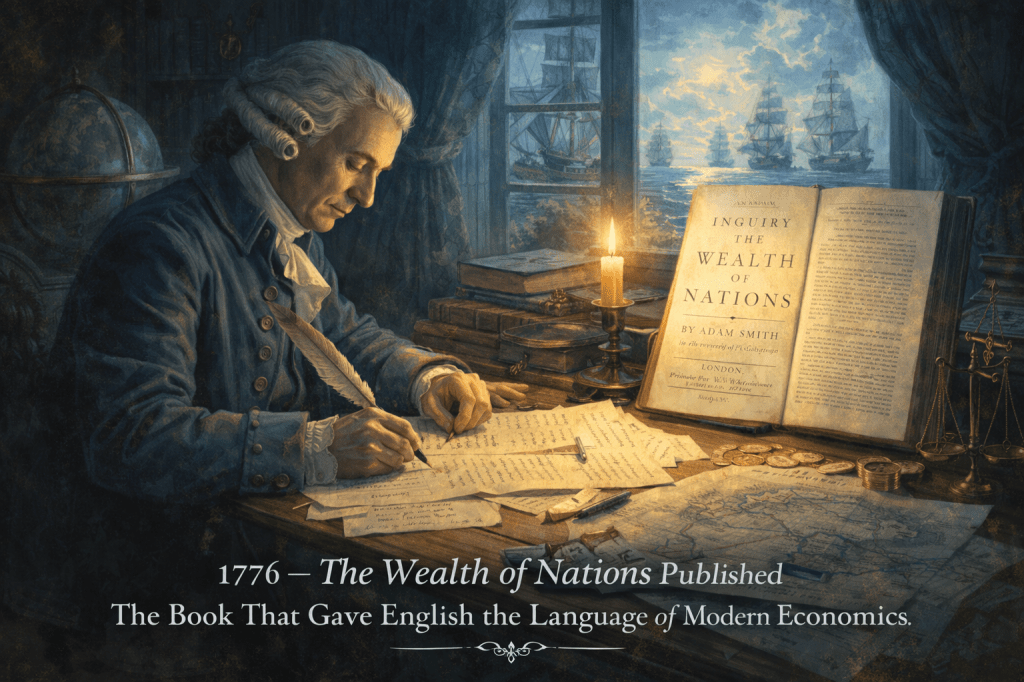
Published on March 9, 1776, An Inquiry into the Nature and Causes of the Wealth of Nations by Adam Smith transformed how English discusses economics. By introducing concepts like the “invisible hand” and “division of labor,” the work established a lasting vocabulary for analyzing markets, trade, and national prosperity.
-
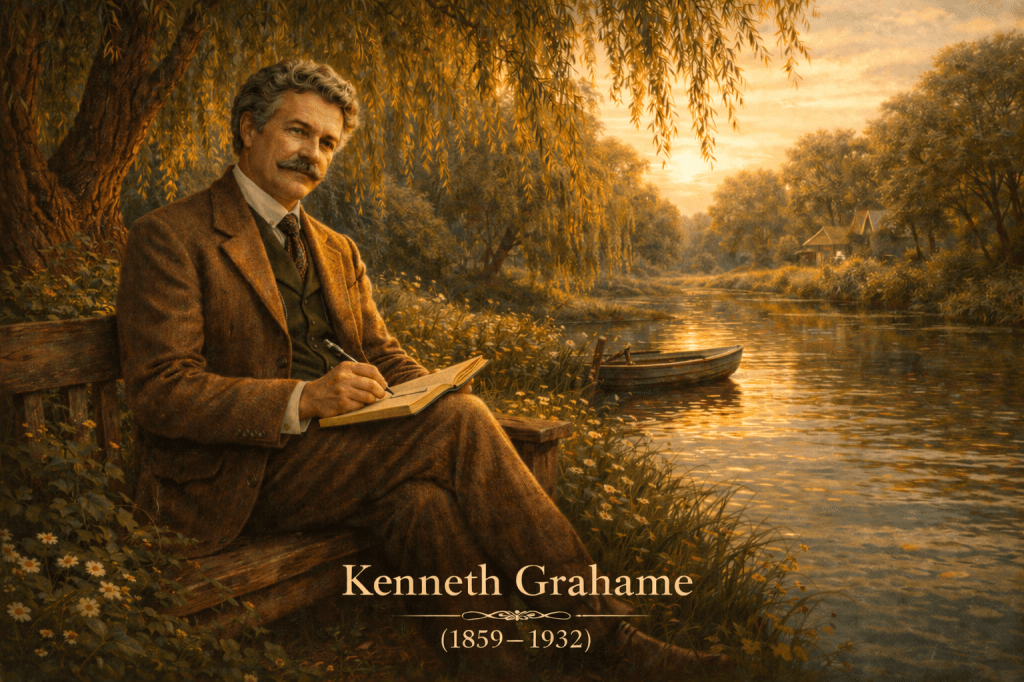
Born on March 8, 1859, Kenneth Grahame shaped modern children’s literature with The Wind in the Willows. His lyrical pastoral prose turned animal tales into reflections on friendship, home, and the quiet beauty of the English countryside, blending gentle humor with philosophical calm that continues to influence storytelling today.
-
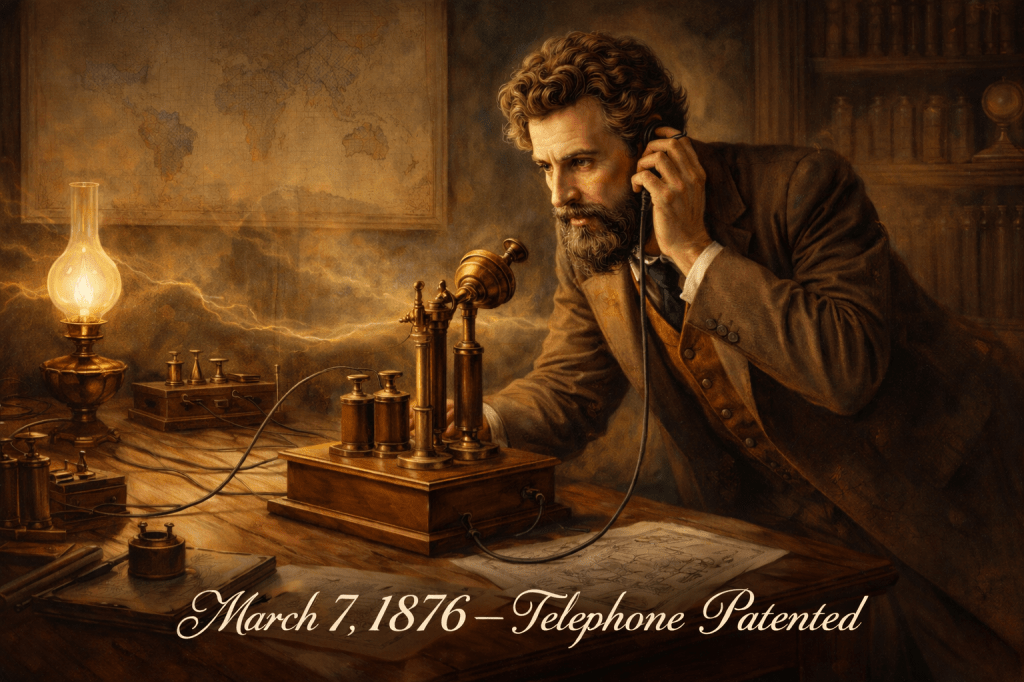
On March 7, 1876, Alexander Graham Bell received the patent for the Telephone, allowing spoken English to travel instantly across distance. The breakthrough created new conversational habits, greetings, and etiquette, transforming everyday speech into a long-distance medium and reshaping how people communicated in business, society, and daily life.
-
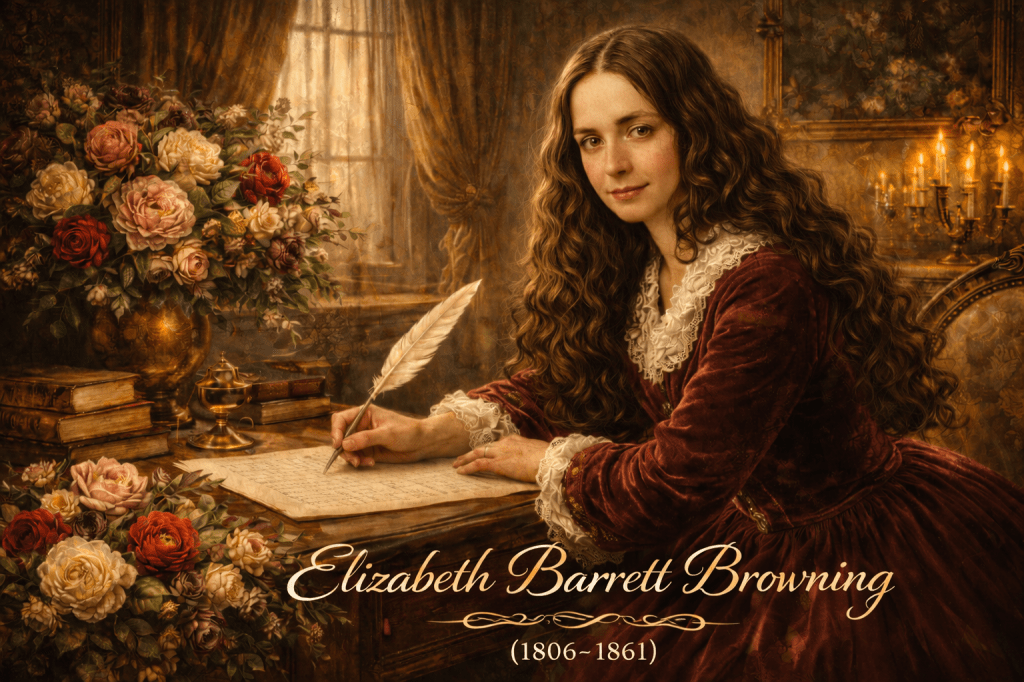
Born on March 6, 1806, Elizabeth Barrett Browning expanded the emotional and intellectual range of Victorian English poetry. Through works like Sonnets from the Portuguese and Aurora Leigh, she blended lyric passion with philosophical reflection, proving poetry could explore love, identity, and social justice with remarkable depth and rhetorical elegance.
-

The death of Herman J. Mankiewicz in 1953 marked the passing of a writer who reshaped cinematic language. Through the screenplay of Citizen Kane, he proved film dialogue could rival literature—layered, ironic, and psychologically rich—turning screenwriting into a sophisticated form of English storytelling.
-
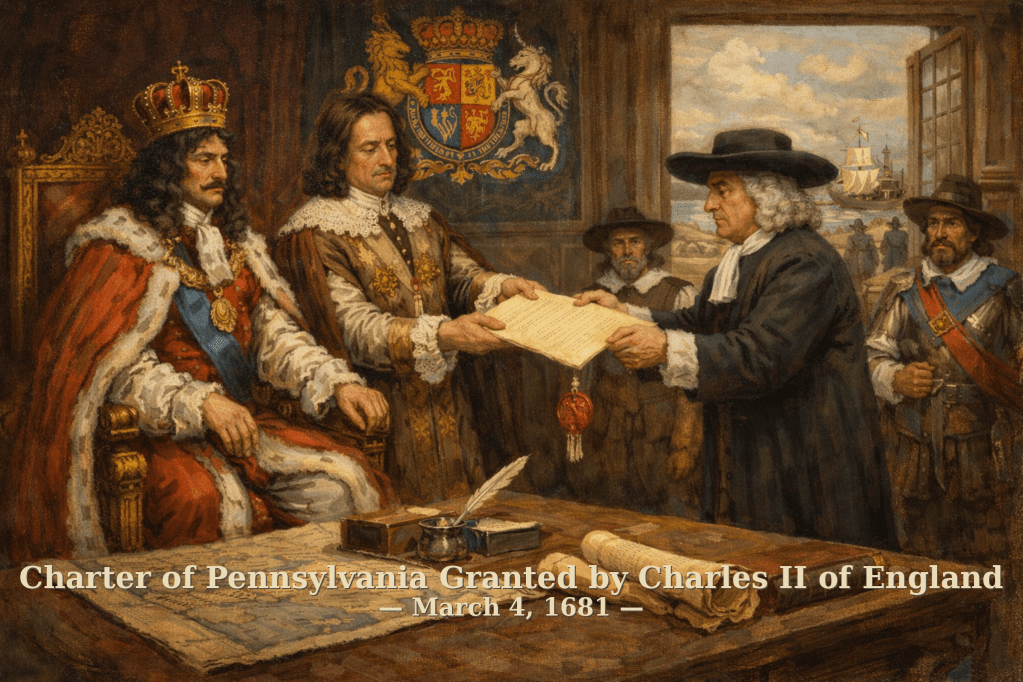
On March 4, 1681, Charles II granted William Penn a charter for Province of Pennsylvania, transplanting English legal and administrative prose to America. The document standardized governance vocabulary and blended bureaucratic precision with Quaker plain style, shaping the foundations of American constitutional language.
 What Happened on This Day?