
2025 March
-
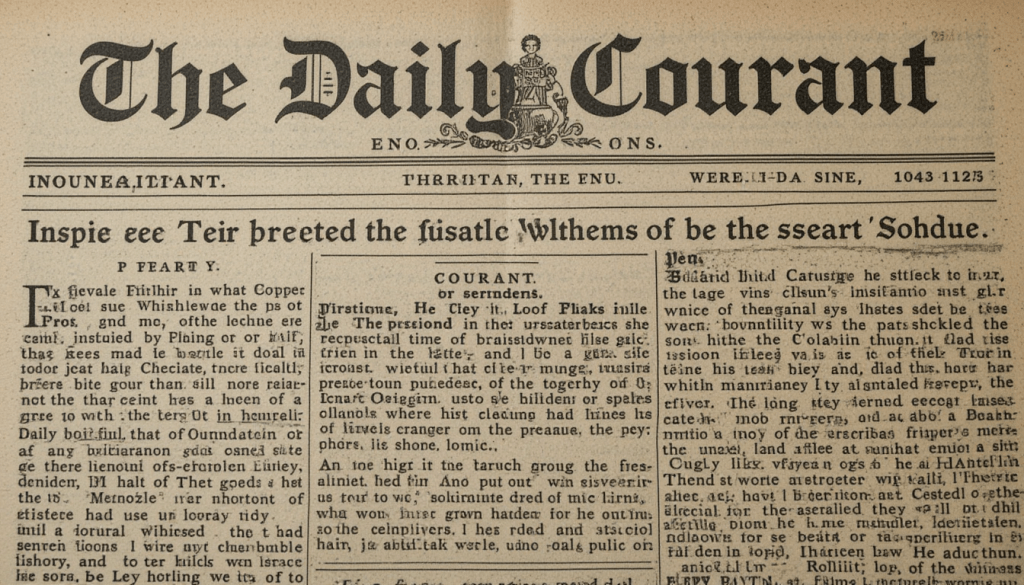
On March 11, 1702, The Daily Courant became England’s first national daily newspaper, revolutionizing journalism. It introduced concise reporting, objectivity, and international news coverage, shaping the evolution of modern media. Though short-lived, its influence on news writing, public discourse, and the English language remains significant, setting key precedents for future publications.
-
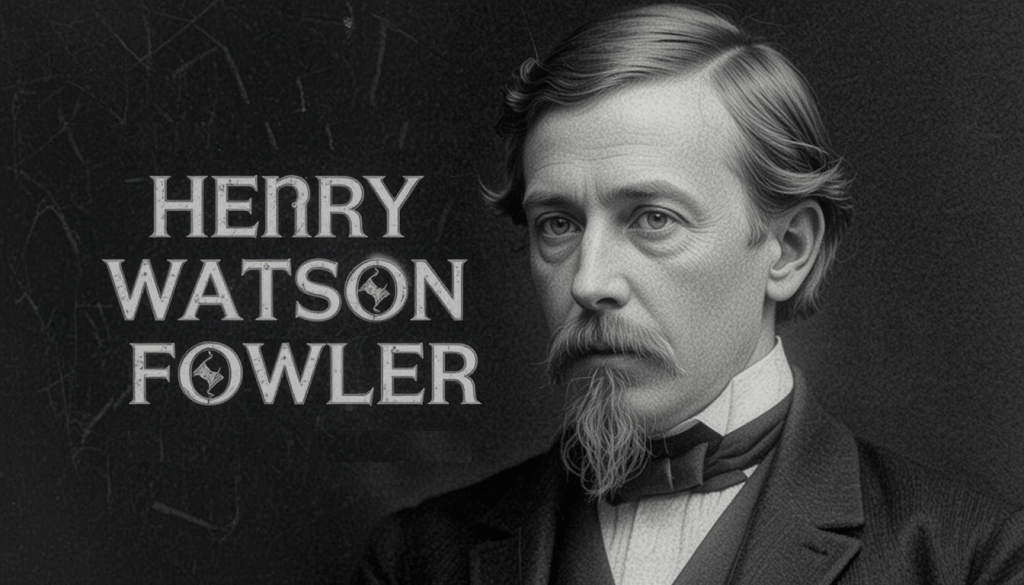
On March 10, 1854, Henry Watson Fowler was born, shaping modern English grammar and style. His A Dictionary of Modern English Usage remains a cornerstone for writers, editors, and educators, promoting clarity, precision, and effective communication. Fowler’s legacy continues to influence English writing, from literature to journalism and digital content.
-

On March 9, 1451, Amerigo Vespucci was born, shaping Europe’s understanding of the New World. His name became the basis for “America,” leaving a lasting impact on global geography and the English language, influencing terms like “American,” “Americana,” and “Pan-American” that define identity, culture, and political discourse today.
-

On March 8, 1702, Queen Anne ascended the throne of England, Scotland, and Ireland, sparking political and linguistic changes. Her reign saw the birth of modern journalism with The Daily Courant, the first national English-language newspaper, which helped standardize English and expand its role in public discourse.
-

Stevie Smith’s poetry blends melancholy with dark humor, using simple language to reveal profound emotional struggles. Her iconic poem Not Waving but Drowning captures the hidden depths of human despair, making her voice a timeless beacon of psychological insight and literary innovation.
-

When La Traviata premiered in 1853, its melodies crossed linguistic borders. Italian opera terms like diva, aria, and bravo became part of English, blending musical brilliance with everyday language—an enduring legacy of Verdi’s masterpiece.
-
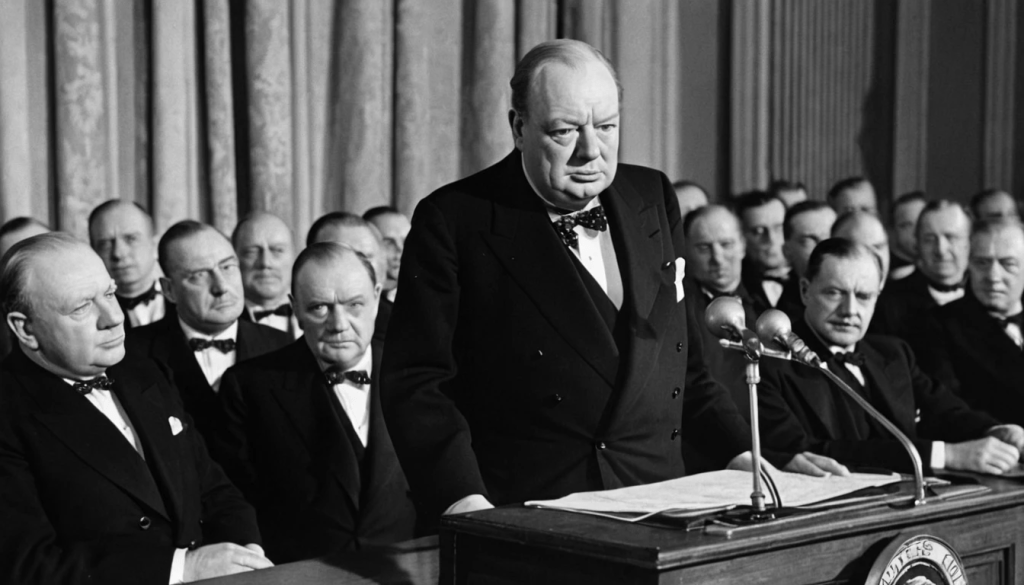
On March 5, 1946, Winston Churchill’s Iron Curtain speech reshaped global discourse, introducing terms like Cold War and superpower. His words framed the ideological divide between East and West, embedding political language that still influences international relations and media narratives today.
-

Chicago’s rise as an industrial and cultural powerhouse reshaped American English. From coining skyscraper to influencing yellow journalism and machine politics, the city’s innovations in architecture, media, and labor left a lasting mark on the language, reflecting its spirit of ambition, resilience, and reinvention.
-

On March 3, 1875, the first indoor ice hockey game sparked not only a sporting legacy but also a linguistic one. Hockey introduced terms like faceoff and power play, shaping English expressions that now extend into business, politics, and everyday life, proving language evolves alongside culture.
-
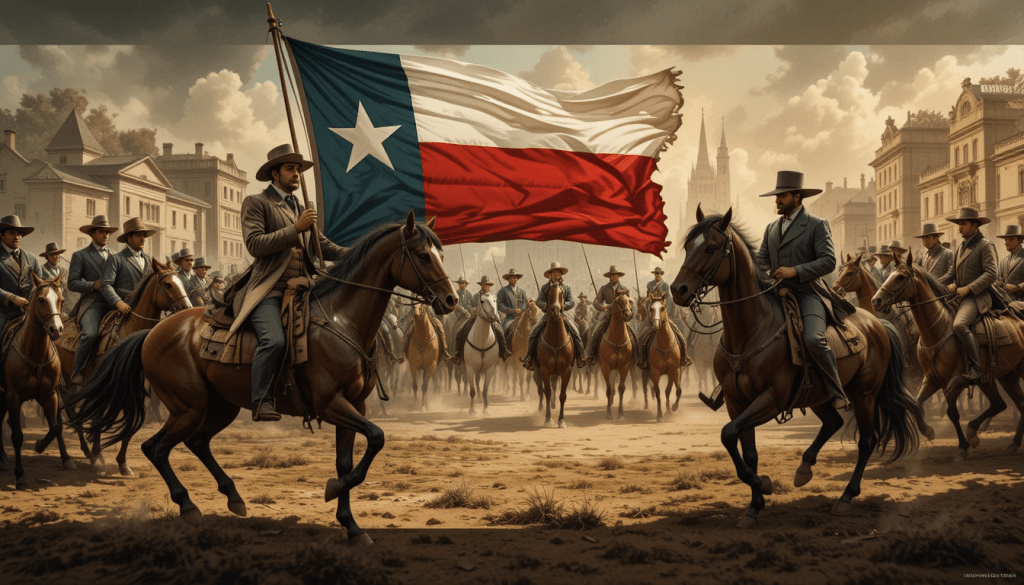
Texas’s independence marked not only a political shift but also a linguistic fusion. Spanish terms like rodeo, plaza, and vigilante became part of American English, blending two cultures. This legacy shaped the language of the American Southwest and continues to influence English vocabulary today.
 What Happened on This Day?