
2025 March
-
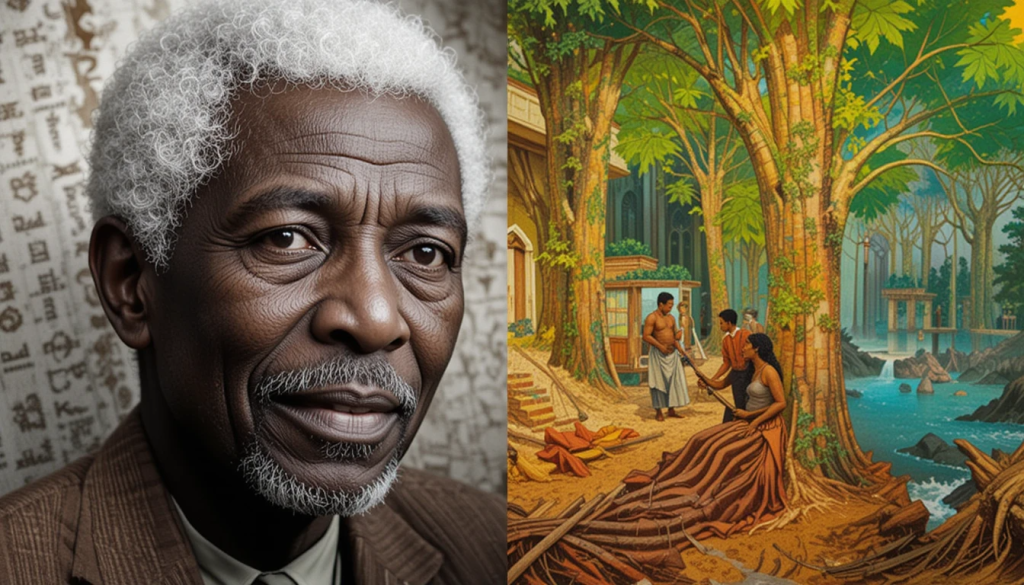
Chinua Achebe transformed English literature by weaving African proverbs, rhythms, and stories into its fabric. His novels challenged colonial narratives, giving voice to African histories and identities. Through his words, English evolved — no longer merely a colonial tongue but a canvas for diverse cultures, forever enriched by his vision.
-
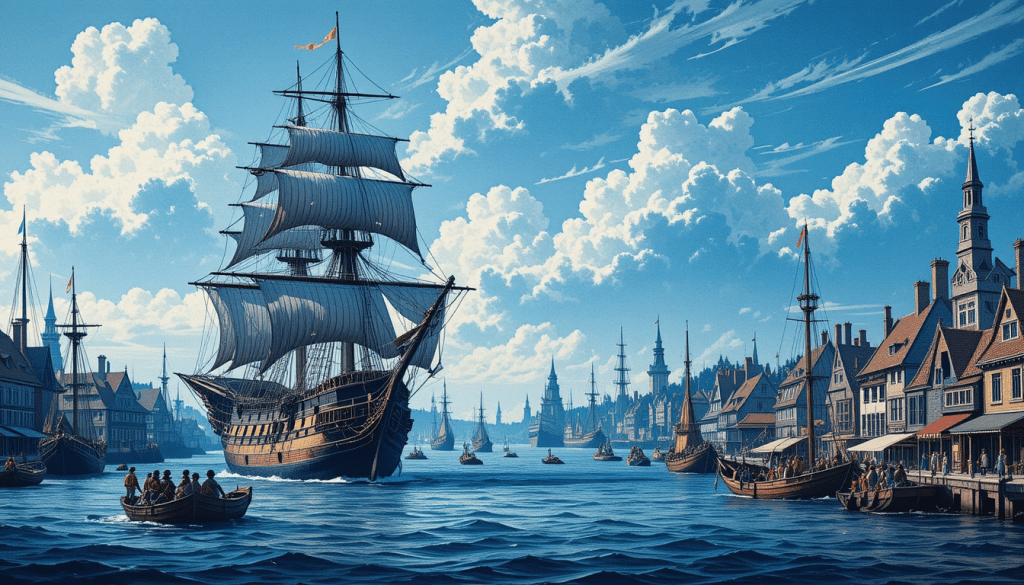
On March 20, 1602, the Dutch East India Company was founded, leaving a powerful legacy in global trade and the English language. Dutch nautical, financial, and cultural terms like yacht, skipper, cookie, and bond became part of English, illustrating how commerce and exploration shape vocabulary across nations and centuries.
-
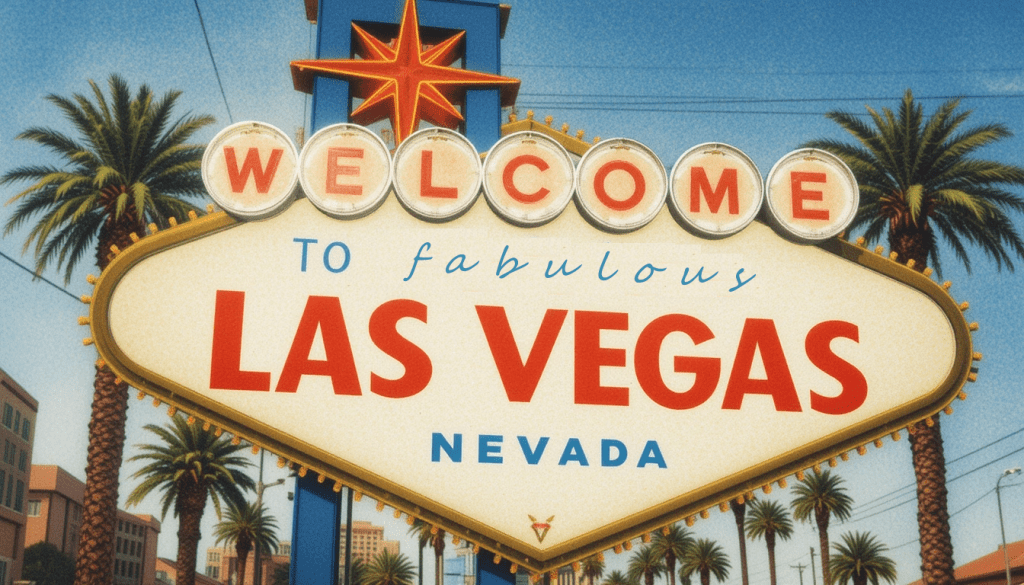
On March 19, 1931, Nevada legalized gambling, forever transforming Las Vegas and enriching the English language. Terms like jackpot, high roller, and raise the stakes now influence business, politics, and daily conversation, showing how casino culture left its lasting mark on communication, strategy, and expressions of risk and reward.
-
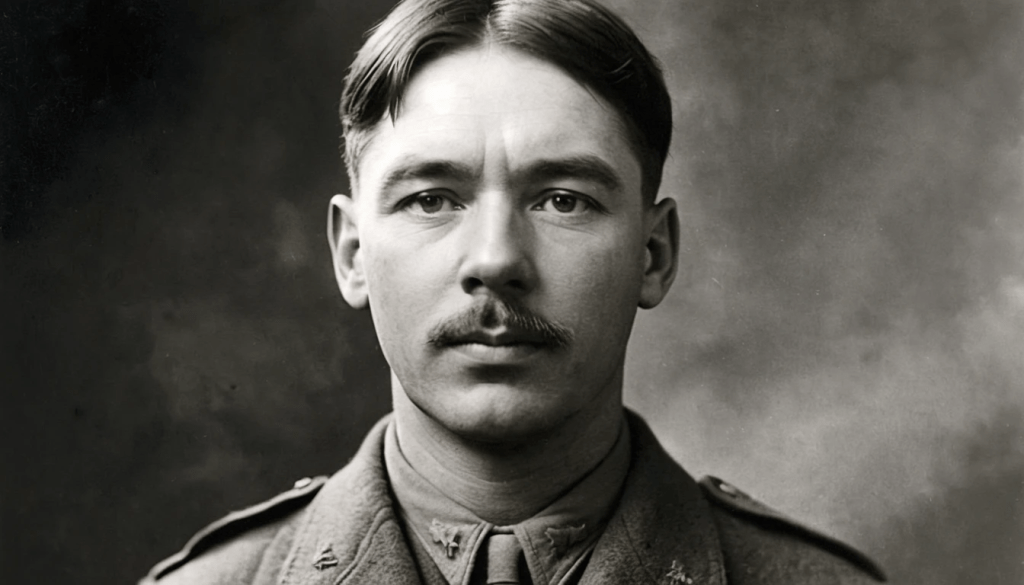
Wilfred Owen’s poetry reshaped English war literature, rejecting glorified depictions of battle in favor of raw realism. His vivid imagery, psychological depth, and innovative language influenced generations of poets, novelists, and journalists, leaving a lasting impact on war discourse and the evolution of poetic form in the English language.
-
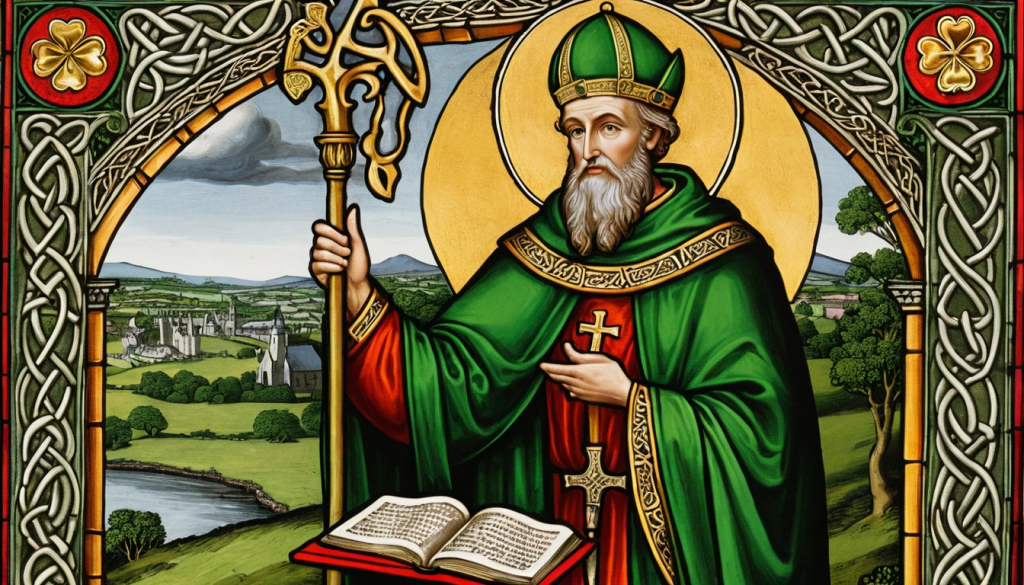
Saint Patrick’s missionary work in Ireland helped spread Latin religious vocabulary, shape Irish monastic scholarship, and introduce Old Irish terms into English. His legacy influenced religious discourse, literature, and oral storytelling traditions, leaving a lasting imprint on the English language through St. Patrick’s Day and centuries of linguistic evolution.
-
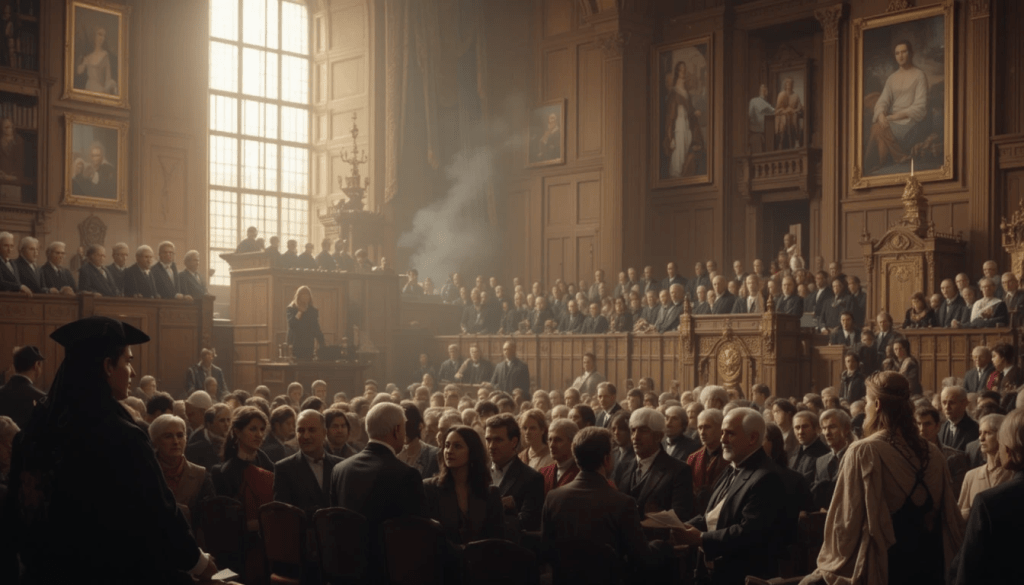
On March 16, 1660, England’s Long Parliament dissolved, setting the stage for the Restoration under Charles II. This shift revitalized English literature, political discourse, and theater, introducing satirical wit, new vocabulary, and a standardized prose style that still influences English today. It was a turning point in linguistic and cultural history.
-
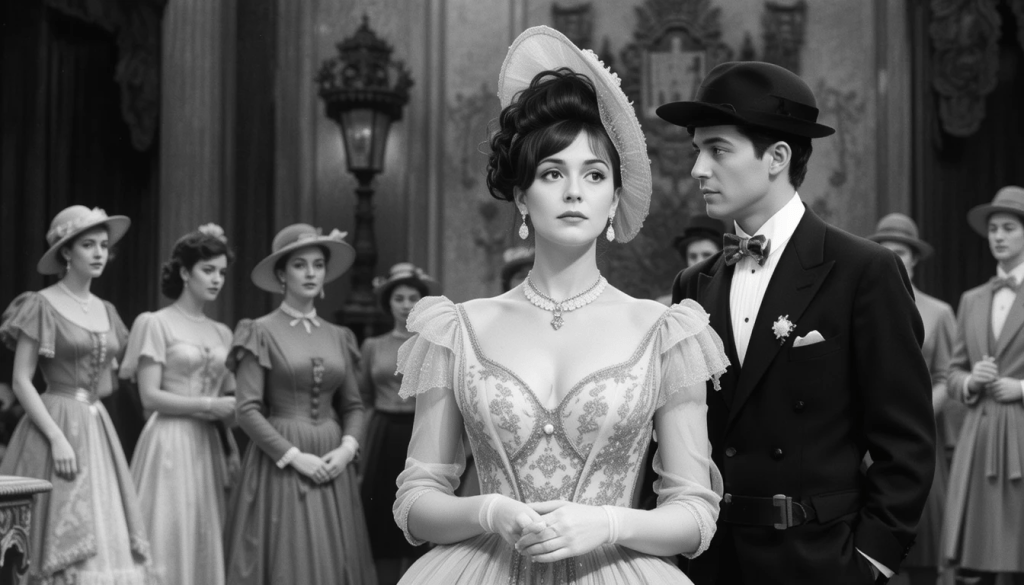
On March 15, 1956, My Fair Lady premiered on Broadway, redefining musical theatre and sparking debates on language and class. The show highlighted how speech shapes identity and social mobility, leaving a lasting impact on linguistics, education, and popular culture.
-
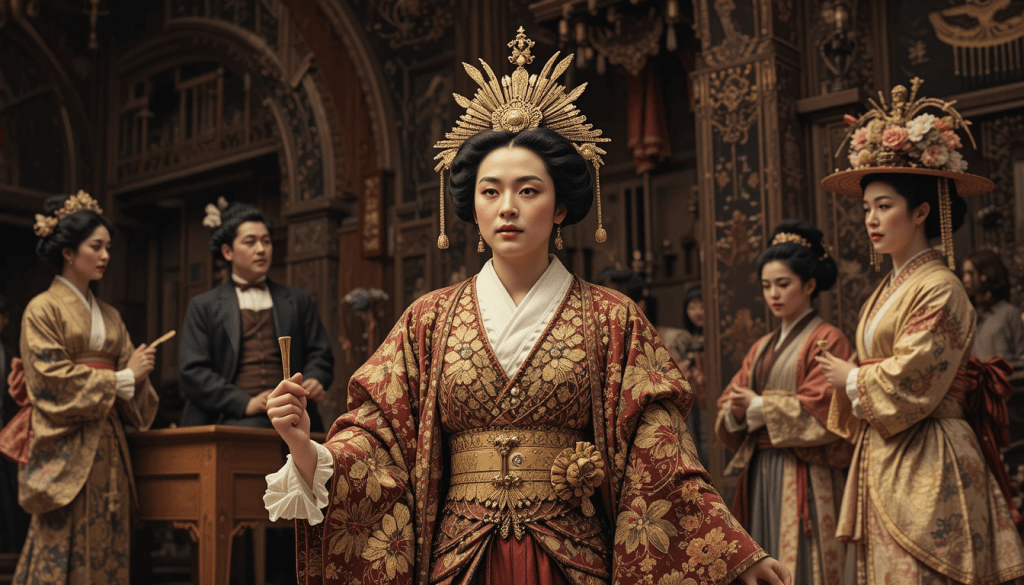
The Mikado (1885) shaped English and theatre, introducing terms like “Pooh-Bah” for self-important officials. Its witty satire influenced musical theatre traditions and political discourse. While culturally debated today, its linguistic and theatrical innovations remain significant, demonstrating how comic opera can impact language, stage conventions, and social critique.
-

William Herschel’s discovery of Uranus on March 13, 1781, reshaped astronomy and expanded English vocabulary. It introduced new scientific terms, set naming conventions for planets, and connected literature with space exploration. The event not only changed how we see the cosmos but also how we describe it in language.
-

On March 12, 1989, Tim Berners-Lee proposed what became the World Wide Web, revolutionizing communication and reshaping English. Words like “website,” “hyperlink,” and “viral” emerged, while internet slang and digital jargon transformed everyday speech. The Web didn’t just connect people—it forever changed how language evolves in the digital age.
 What Happened on This Day?